
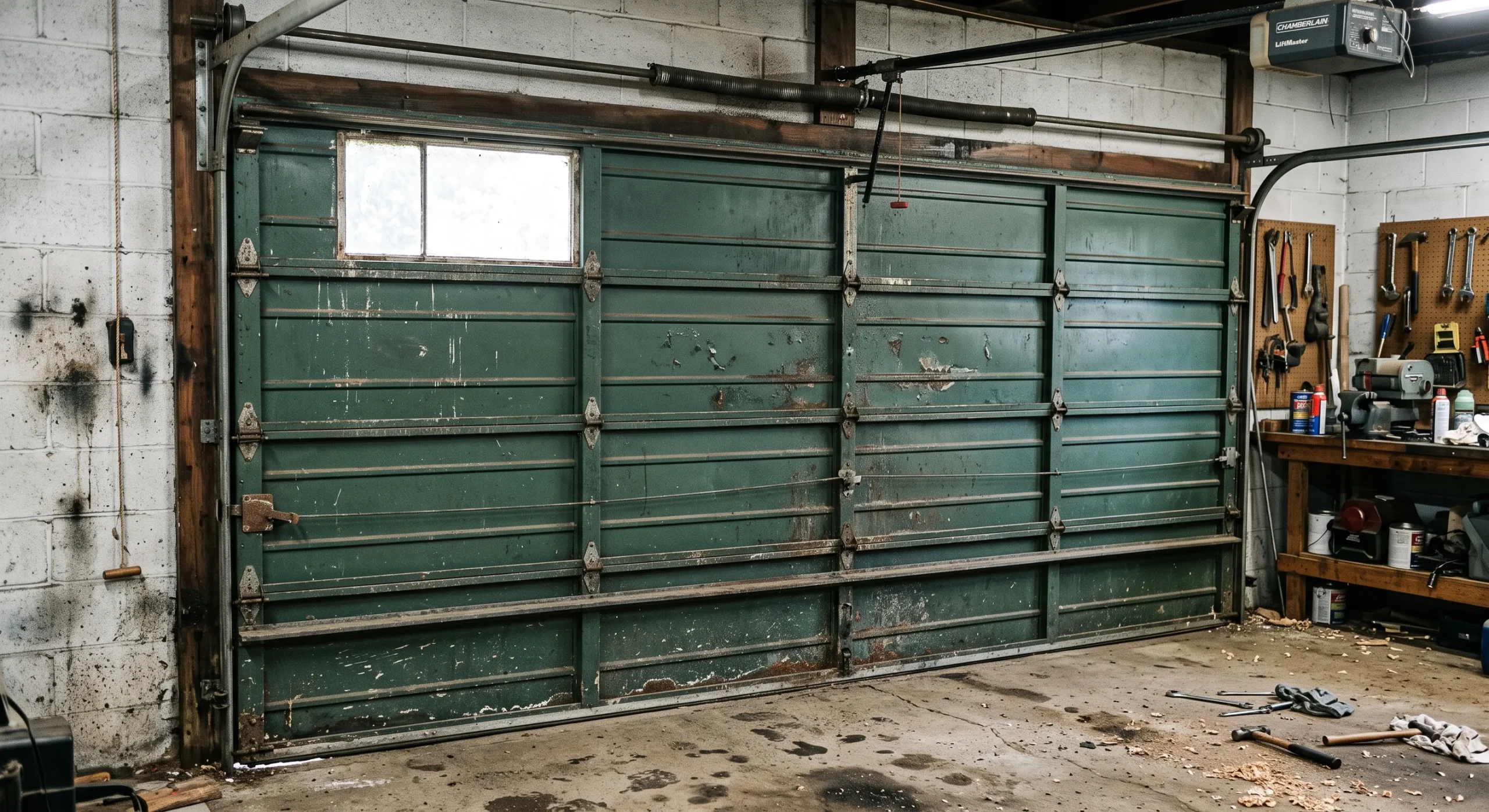
Garage doors are built to last, but not every door makes it to its full expected lifespan. Some start showing serious wear within a few years of installation, while others in the same neighborhood are still running smoothly after two decades. The difference almost always comes down to a handful of specific factors that quietly accelerate deterioration long before the door is supposed to need replacing.
Understanding why garage doors wear out faster than expected is not just useful information after the fact. It is the kind of knowledge that helps homeowners in Southlake, TX get ahead of problems, extend the life of their current door, and make smarter decisions when the time for garage door replacement does eventually arrive. The causes are well documented, the warning signs are recognizable, and most of them are preventable with the right habits in place.
The Role of Material Quality in Long-Term Durability
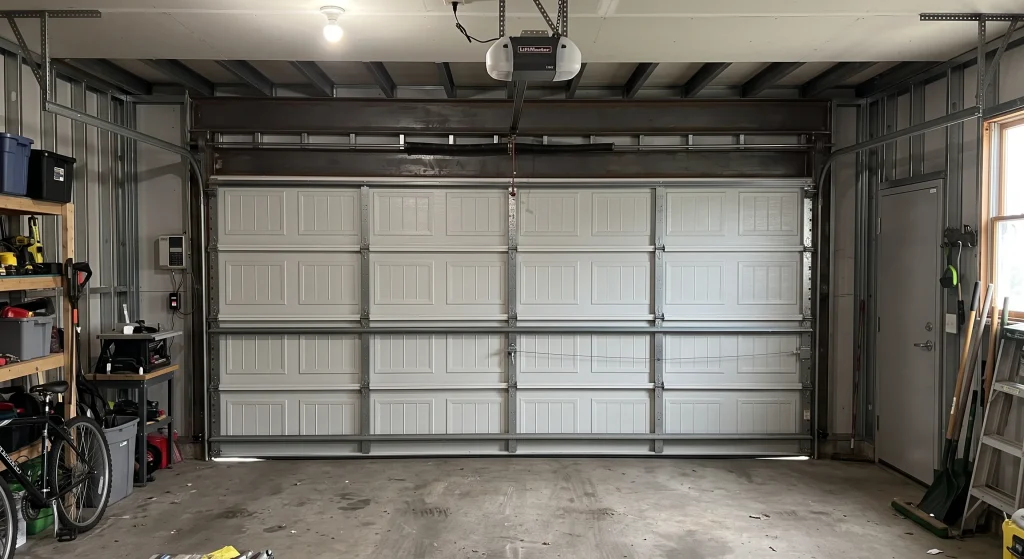
Not all garage doors are built to the same standard, and the material a door is made from plays a significant role in how quickly it shows wear under everyday conditions. A door that looks identical to another on the day of garage door installation can perform very differently five years down the road, depending on what it is made of and how it was manufactured.
How Steel Door Quality Varies
There are several variables in steel door construction that directly affect long-term durability, from the gauge of the metal to the quality of the finish applied at the factory.
- Thinner gauge steel dents more easily and is more vulnerable to rust once the surface finish is compromised.
- A door without a proper primer and paint finish will begin showing surface rust within a few years, especially in climates with humidity or temperature swings.
- Steel doors with polyurethane insulation bonded to the back panel are more rigid and resist denting better than those with polystyrene inserts or no insulation at all.
Why Wood Doors Require More Consistent Attention
Wood garage doors are among the most visually appealing options available, but they demand a level of ongoing maintenance that many homeowners underestimate at the time of purchase.
- Wood is highly sensitive to moisture. Without regular sealing and painting, it will absorb water, swell, and eventually warp or crack.
- In Southlake, TX, where summer heat is intense and humidity can spike during storm seasons, wood doors face considerable stress from the climate throughout the year.
- A wood door that goes even one or two seasons without proper treatment can develop damage that is difficult and expensive to reverse.
- Homeowners with wood doors should inspect the finish at least twice a year and address any chipping, peeling, or cracking in the sealant before moisture penetrates the surface.
When the time comes to evaluate whether deterioration has reached the point of replacement, understanding What Factors Affect the Cost of a New Garage Door? helps homeowners plan that decision with a clear picture of what is involved.
How Climate and Environment Accelerate Wear
Where a garage door is located matters just as much as what it is made of. Environmental conditions place constant stress on every component of the door system, and certain climates are significantly harder on garage doors than others.
The Impact of Heat and Sun Exposure in Southlake, TX
Southlake, TX sits in a climate zone where summer temperatures regularly push past 100 degrees Fahrenheit. Extended exposure to that level of heat and direct sunlight takes a measurable toll on garage door materials over time.
- Prolonged UV exposure fades paint and finish coatings, which accelerates surface degradation on both steel and wood doors.
- Extreme heat causes metal components, including hinges, rollers, and springs to expand repeatedly, contributing to wear on connection points and fasteners over time.
- Door seals and weatherstripping become brittle and crack faster in high-heat environments, reducing the door’s ability to keep out air, pests, and moisture.
- Light-colored doors reflect more heat than dark-colored ones and tend to hold up better under intense sun exposure over the long term.
Moisture, Humidity, and Ground-Level Exposure
Water is one of the most persistent threats to garage door longevity. Even in areas that are not particularly rainy, temperature changes cause condensation to form on cold metal surfaces, and ground-level moisture is a constant presence for the bottom section of any door.
- The bottom panel and seal are the most vulnerable sections to moisture damage and should be inspected regularly for rust, rot, or seal deterioration.
- Garages without proper drainage around the apron allow water to pool at the base of the door after rain, accelerating rust and seal breakdown.
- High indoor humidity from poor garage ventilation creates condensation on metal components, including springs, cables, and tracks, all of which corrode faster in humid conditions.
- Checking and replacing the bottom seal when it shows cracking or flattening significantly reduces moisture intrusion over the life of the door.
Mechanical Wear From Heavy Daily Use
The mechanical components of a garage door system, including the springs, cables, rollers, and hinges, all have finite lifespans measured in cycles. Heavy daily use burns through those cycles faster than the manufacturer’s estimate, and the wear compounds when maintenance is neglected alongside high usage.
Springs and Cables Under Heavy Load
Springs and cables are the core load-bearing elements of any garage door system. They absorb the full weight of the door with every open and close, and they wear out faster when that load is applied more frequently than average.
- Standard torsion springs are rated for around 10,000 cycles. A household using the garage six times per day will burn through that in under five years.
- Cables that are not inspected regularly can develop fraying that is not visible until the cable is close to failure.
- When a spring or cable fails, it puts sudden, abnormal stress on the opener motor and remaining hardware, which can trigger a chain reaction of secondary damage.
Rollers, Hinges, and Track Condition
Rollers and hinges are among the most overlooked components in a garage door system, yet they are in constant motion every time the door moves. Worn rollers and loose hinges create friction and misalignment that affect the entire door over time.
- Nylon rollers typically last longer and operate more quietly than steel rollers but still wear down over years of heavy use and eventually crack or flatten.
- Loose or worn hinges allow the panels to flex slightly during movement, putting stress on the panel joints and leading to visible cracking at the connection points over time.
- Tracks that accumulate dirt and debris create resistance that forces every other mechanical component to work harder with each cycle.
As noted in guidance on replacing garage door springs, addressing mechanical wear early and consistently is far more effective than waiting until a component fails completely.
Understanding the full picture of what the signs of wear look like and when replacement becomes necessary is covered in the guide on When to Replace Garage Door: Signs It’s Time for an Upgrade.
The Consequences of Skipping Regular Maintenance
Lack of maintenance is the single most preventable reason garage doors wear out ahead of schedule. Most of the damage that leads to early replacement is not caused by defects or extreme events but by years of small issues going unaddressed.
What Happens When Lubrication Is Neglected
Every moving part in a garage door system benefits from regular lubrication, and the absence of it creates friction that accelerates wear on metal components with every single cycle.
- Springs that run dry develop surface rust and friction wear that shortens their cycle life significantly.
- Rollers that are not lubricated bind in the track, forcing the opener to work harder and putting extra lateral stress on the door panels.
- Hinges without lubrication squeak and eventually seize, which can cause panel joints to crack under the twisting force of a stiff hinge.
Following established garage door safety standards during maintenance ensures that every component is checked and serviced in a way that supports safe long-term operation of the full system.
Why Annual Professional Inspections Matter
Visual inspections by homeowners catch obvious problems, but many forms of mechanical wear are not visible without hands-on assessment by a trained technician. Annual professional inspections close that gap and give homeowners an accurate picture of where their door system actually stands.
- Technicians check spring tension, cable condition, roller wear, balance, and opener performance as part of a standard inspection.
- They can identify components approaching the end of their service life before those components fail and cause secondary damage.
- Homeowners in Southlake, TX, should schedule inspections in the fall before winter temperatures drop, putting added stress on springs and seals.
- An annual inspection typically costs far less than a single emergency repair call and provides peace of mind that the system is operating safely.
What Homeowners Can Do Starting Today
Most of the factors that cause garage doors to wear out faster than expected are within a homeowner’s control. A few consistent habits make a meaningful difference in how long the door and its components hold up under real-world conditions.
Build a Simple Seasonal Maintenance Routine
A seasonal maintenance routine does not need to be complicated to be effective. The goal is simply to address lubrication, visual inspection, and seal condition on a regular schedule rather than waiting for something to go wrong.
- Lubricate springs, rollers, hinges, and tracks in early spring and again in early fall to cover the two most demanding seasonal transitions.
- Inspect the bottom seal, weatherstripping, and panel surfaces for cracking, rust, or moisture damage during each seasonal check.
- Test the door balance by disconnecting the opener and lifting the door manually to waist height. A door that does not stay in place needs professional adjustment.
- If any component looks worn, makes new sounds, or behaves differently than usual, schedule a professional garage door tune-up before the issue develops further.
Choose Quality Parts When Repairs Are Needed
When components need replacing, the quality of the replacement parts has a direct impact on how long the repaired system holds up. Choosing higher-quality parts during a garage door repair is one of the most cost-effective decisions a homeowner can make.
- High-cycle springs rated for 25,000 or more cycles cost more upfront but last significantly longer than standard springs, especially in high-usage households.
- Premium nylon rollers with sealed bearings operate more quietly and outlast standard rollers by several years under normal use conditions.
- Replacing worn weatherstripping and bottom seals with quality materials prevents moisture and air infiltration that shortens the life of the panels and hardware around the door perimeter.
For homeowners wondering what happens when wear signs are consistently overlooked, our guide on What Happens If You Ignore Garage Door Warning Signs? walks through the real consequences of delayed attention.
Stay Ahead of the Wear Before It Catches Up With You
Garage doors that wear out ahead of schedule almost always do so for reasons that were preventable. Material quality, climate exposure, usage habits, and maintenance routines all play a role, and understanding each of them gives homeowners the tools to make better decisions before problems develop.
If you are in Southlake, TX, and want a professional eye on your garage door system, First Responder Garage Doors inspects every component, identifies wear before it becomes a failure, and recommends the right maintenance and upgrades for your specific door and usage. Contact us or give us a call today to keep your garage door running the way it should.