
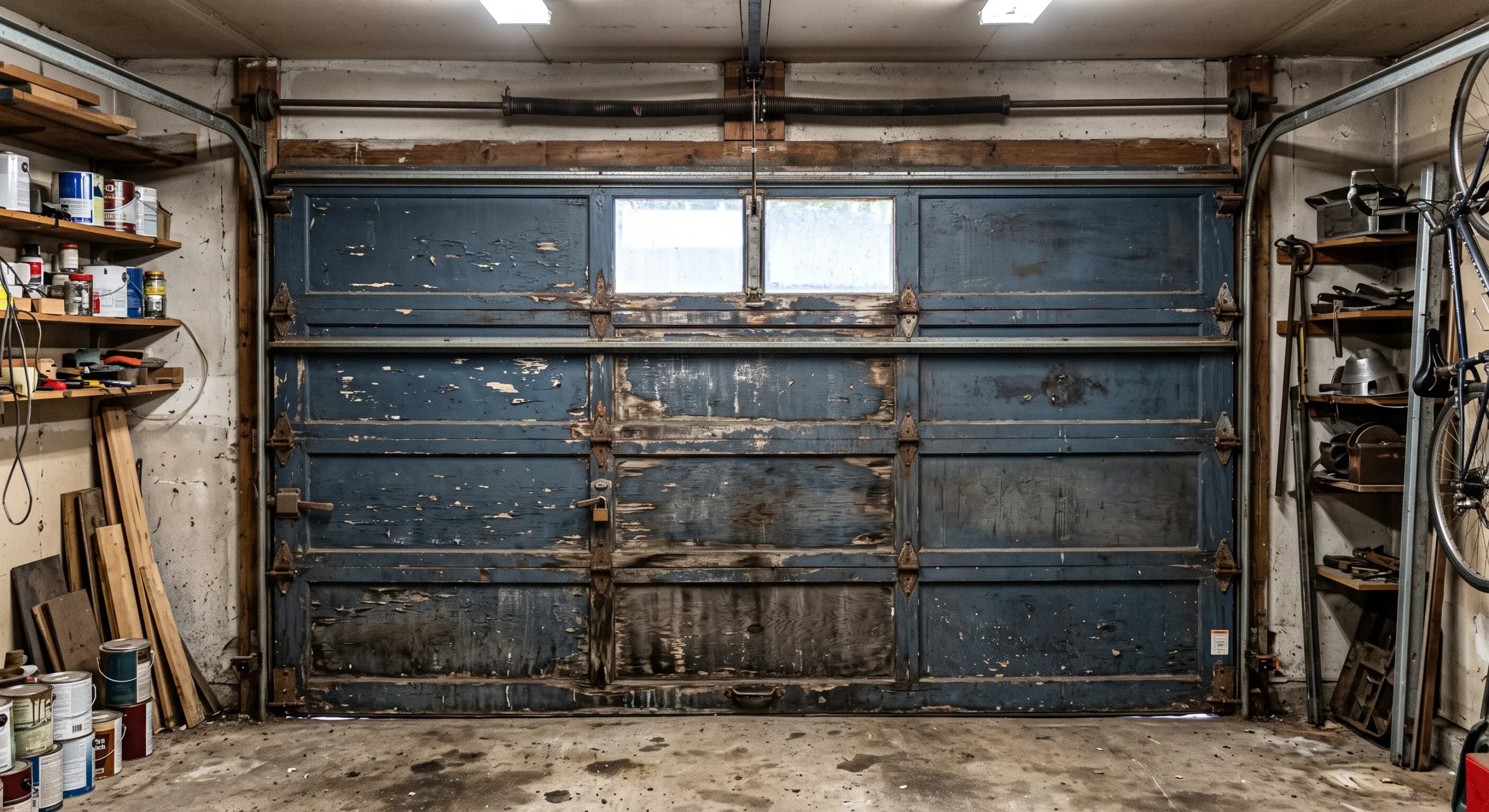
Most homeowners do not think about their garage door until something goes wrong. It opens, it closes, and as long as it keeps doing both, it rarely gets a second look. But garage doors do not last forever, and the signs that one is reaching the end of its useful life tend to build up gradually rather than announce themselves all at once.
Knowing when to replace a garage door is not always simple. Some issues are obvious, like a door that refuses to open or one that has taken visible structural damage. Others are subtler, like a door that has started making new noises, moving unevenly, or simply looking worn compared to the rest of the home. Both types of signs matter, and recognizing them early gives homeowners the opportunity to plan a garage door replacement on their own terms rather than being forced into one by a sudden failure.
How Long a Garage Door Is Built to Last
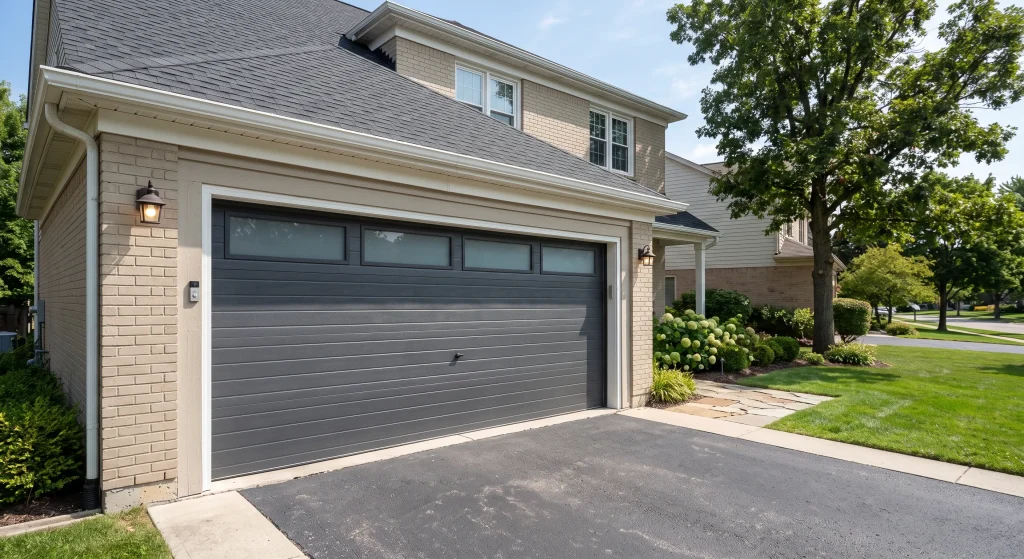
Before diving into the signs of replacement, it helps to understand what a realistic lifespan looks like for a residential garage door. Most standard garage doors are built to last between 15 and 30 years, depending on the material, the quality of garage door installation, and how well they have been maintained over time.
Lifespan by Door Material
Different materials age at different rates, and knowing what your door is made of gives you a useful baseline for evaluating where it stands.
- Steel doors are the most common residential choice and typically last 20 years or more with proper maintenance.
- Aluminum doors are lightweight and resistant to rust but can dent more easily, which shortens their aesthetic lifespan even if the structure remains functional.
- Wood doors offer excellent curb appeal but require more upkeep and are more vulnerable to moisture, warping, and rot over time.
- Fiberglass and composite doors hold up well in humid or coastal climates and can last as long as steel with minimal maintenance.
How Usage and Maintenance Affect Lifespan
A garage door that is used heavily and rarely maintained will not reach its full potential lifespan, regardless of how well it was built.
- A household that uses the garage door six or more times per day puts significantly more wear on the entire system than one using it twice daily.
- Doors that are never lubricated, balanced, or inspected tend to develop hardware failures that compound over time and accelerate overall deterioration.
- Southlake, TX, homeowners face additional wear from extreme summer heat and occasional winter cold snaps, both of which stress the door panels, seals, and hardware year after year.
- A door that has been well maintained can often reach or exceed its expected lifespan, while a neglected one may need replacement well ahead of schedule.
Continuing to operate a door in poor condition also increases the risk of the situation escalating into something more urgent. Our guide on What Happens If You Ignore Garage Door Warning Signs? covers exactly what that escalation looks like and why acting early matters.
Structural and Visual Signs: It Is Time for a Replacement
Some of the clearest indicators that a garage door needs replacing are visible to the naked eye. These are the kinds of signs that go beyond normal wear and indicate that the door itself, not just a component, has reached the end of its service life. In many cases, a garage door tune-up will have already been attempted before these signs appear, which makes them a reliable signal that maintenance alone is no longer enough.
Visible Warping, Cracking, or Sagging Panels
A garage door that is no longer structurally sound will show it through the condition of its panels. Warping, cracking, and sagging are all signs that the door material has broken down to a point where repair is no longer a practical solution.
- Wood doors that have absorbed moisture over years will warp and crack, which also compromises the seal between the door and the frame.
- Steel panels that have been dented or bent significantly can affect the door’s balance and ability to move smoothly along the tracks.
- A door that visibly sags in the middle when closed is often beyond the point where panel replacement alone will restore it to safe, reliable operation.
- Gaps between warped panels also allow outside air, pests, and moisture into the garage, which creates secondary problems for anything stored inside.
Rust and Corrosion That Have Spread Across the Door
Surface rust on a steel garage door is not always a reason for immediate replacement, but rust that has penetrated through the panels or spread across large sections of the door is a different matter entirely.
- Deep rust weakens the structural integrity of the steel panels and cannot be effectively treated once it has progressed past the surface.
- Rust around the bottom of the door is especially common in Southlake, TX, due to rain and ground moisture, and it tends to spread upward if left unaddressed.
- A door that has rust forming along the seams, hinges, and panel edges simultaneously is telling you that the material has deteriorated beyond what maintenance can reverse.
- Replacing a heavily rusted door also eliminates the ongoing maintenance burden of treating and painting rust-prone sections year after year.
Understanding what accelerates this kind of deterioration is covered in our guide on Why Do Garage Doors Wear Out Faster Than Expected?.
Operational Signs That Point to Replacement Over Repair
Not all replacement signs are visual. Some of the most telling indicators show up in how the door behaves during normal operation. When a door starts acting differently than it used to, that change in behavior is worth paying close attention to.
The Door Makes Loud or Unusual Noises
A certain amount of mechanical noise is normal for any garage door, but loud grinding, banging, rattling, or scraping sounds during operation are signs that something is wrong with the system. According to how to inspect and maintain your garage door, persistent unusual noises after lubrication and hardware checks often point to deeper structural or mechanical issues that may not be worth repairing on an older door.
- Grinding sounds often indicate worn rollers, damaged tracks, or a torsion spring system that is struggling to function correctly.
- Banging or rattling during movement can point to loose hardware, but on an older door it may also signal that the panels themselves are no longer rigid enough to move without flexing.
- A door that has needed repeated hardware repairs over the past few years and is still noisy is often telling you that the underlying structure is the real problem.
- At some point, the cumulative cost of repeated repairs on an aging door exceeds the cost of a straightforward replacement.
The Door Moves Unevenly or Stops Midway
A garage door that hesitates, jerks, or stops during operation is not functioning the way it was designed to. While some causes of uneven movement are mechanical and repairable, a pattern of recurring issues on an older door often points to a system that has simply worn out.
- Uneven movement is often caused by balance issues, worn springs, or cable problems, but these can also be symptoms of a door that is warped or no longer sitting correctly in the frame.
- A door that regularly stops midway and requires manual intervention to complete its travel cycle creates a real inconvenience and a potential safety concern.
- If the same operational issues keep returning despite professional garage door repairs, the door itself, rather than its components, may be the source of the problem.
Energy Efficiency and Security Signs
Beyond the physical condition of the door, there are practical reasons related to energy performance and home security that can make replacement the smarter long-term choice even when the door is technically still functioning.
Poor Insulation Is Driving Up Energy Costs
Older garage doors, especially those installed before modern insulation standards, allow significant heat transfer between the garage and the outside environment. In Southlake, TX, where summer temperatures regularly exceed 100 degrees Fahrenheit, an uninsulated or poorly insulated garage door puts extra strain on the home’s cooling system.
- A garage that feels extremely hot in summer or cold in winter, despite the door being closed, is a sign that the door is not providing adequate thermal resistance.
- Upgrading to a door with a higher R-value insulation rating can reduce energy transfer and lower utility costs over time.
- If the garage is attached to the home and shares walls with living spaces, an inefficient door has a direct impact on the comfort and energy costs of those rooms.
- Many homeowners in Southlake, TX find that a door replacement with a modern insulated model pays for itself in energy savings over several years.
The Door No Longer Meets Current Safety and Security Standards
Garage door technology has advanced considerably over the past two decades. Doors and openers installed before the mid-2000s may lack safety features that are now standard on modern systems.
- Auto-reverse mechanisms, rolling code technology on openers, and tamper-resistant hardware are all features that older systems may not have.
- A door with a compromised locking mechanism or one that does not seal properly at the bottom and sides creates a security vulnerability for the home.
- For homeowners with young children or pets, a door without a reliable auto-reverse safety feature is a genuine hazard that warrants upgrade consideration.
Understanding what the cost of that upgrade involves is covered in detail in our guide on What Factors Affect the Cost of a New Garage Door?.
What to Do Once You Decide Replacement Is the Right Call
Recognizing the signs is the first step. Once a homeowner has decided that replacement makes more sense than continued repair, a few practical steps help the process go smoothly.
Get a Professional Assessment Before Committing
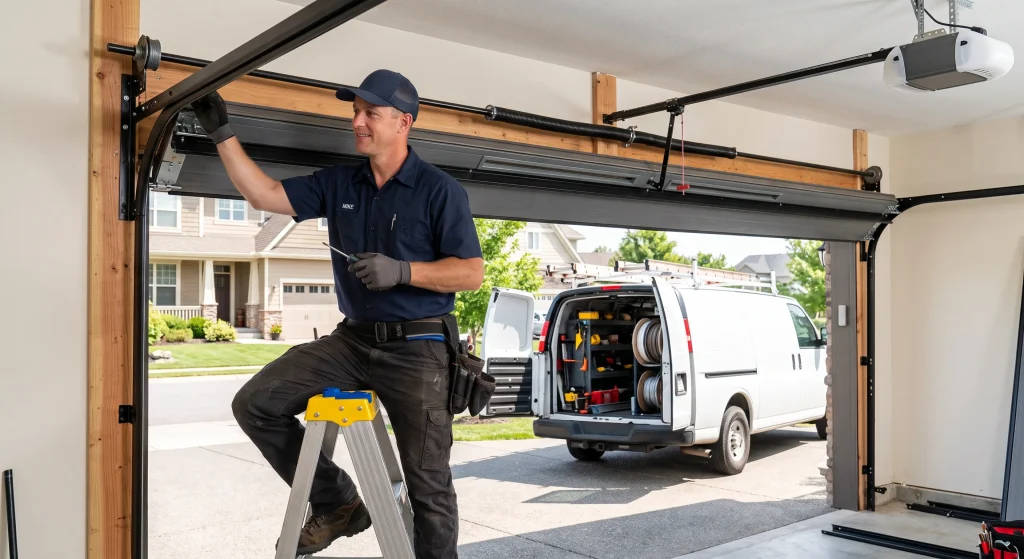
Before selecting a new door, having a qualified technician assess the current door and the surrounding structure ensures that the replacement is sized, specified, and installed correctly.
- A professional can confirm whether the tracks, opener, and framing are in good enough condition to support a new door or whether any of those components need attention as well.
- They can also advise on the right door material and insulation level for your specific garage size and usage.
- Homeowners in Southlake, TX, should also ask about doors rated for the local climate, particularly in terms of heat resistance and seal quality.
According to all about garage doors, selecting the right door for your climate and usage profile is one of the most important factors in long-term satisfaction with a replacement.
Do Not Wait Until the Door Fails Completely
One of the most common mistakes homeowners make is waiting until the door stops working entirely before taking action. A planned replacement is almost always less stressful and more cost-effective than an emergency one.
- Scheduling a replacement on your terms means you can choose the door, compare options, and plan around your schedule rather than reacting to a breakdown.
- A door that is showing multiple signs of wear simultaneously is unlikely to improve on its own, and the window between noticing the signs and experiencing a failure can be shorter than expected.
- Acting on the signs early also protects the opener, tracks, and framing from additional wear caused by a struggling door.
Don’t Wait for a Full Breakdown to Take Action
A garage door that is showing its age does more than create inconvenience. It affects the security, energy efficiency, and curb appeal of your home every single day. Knowing the signs to look for and acting on them before a full failure occurs puts you in control of the process and protects your home from the cascade of issues that a deteriorating door can cause.
If you are in Southlake, TX, and ready to evaluate whether your garage door is due for an upgrade, First Responder Garage Doors assesses the full condition of your current door, walks you through your replacement options, and handles the installation with the care and precision your home deserves. Contact us or give us a call today to get started.