
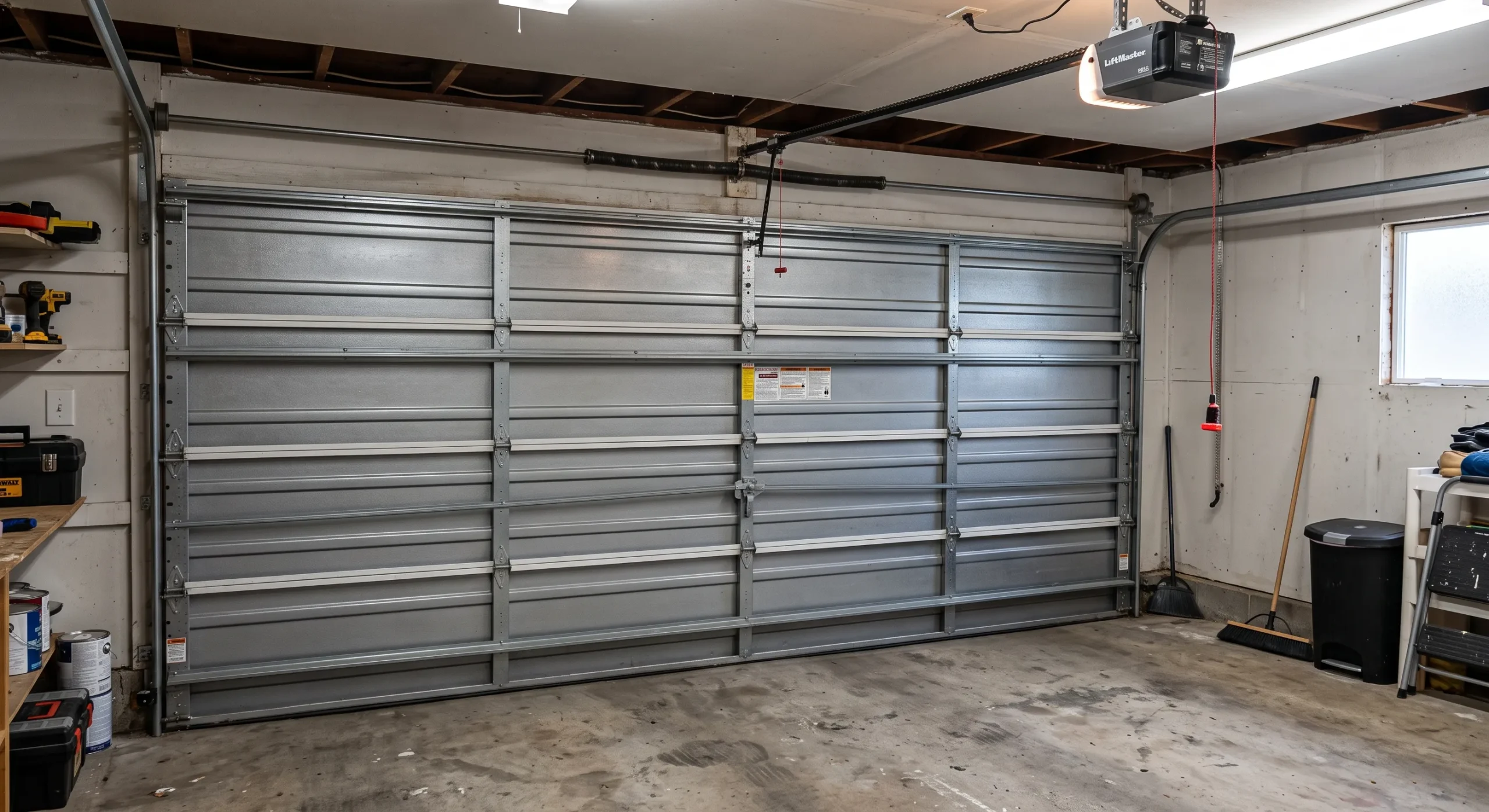
Replacing a garage door is one of the more significant home improvement decisions a homeowner can make, and one of the first questions that comes up once the decision is made is how much it is going to cost. Garage door replacement cost varies considerably, and that variation is driven by a specific set of factors that are worth understanding before any conversation with a contractor begins.
There is no universal price for a new garage door. The material, size, insulation level, style, and condition of the existing hardware all play a role in determining what the job involves and what it will cost. Homeowners in Southlake, TX, who understand these variables are in a much stronger position to make decisions that serve their household well beyond the immediate replacement.
Door Material and Its Impact on Cost
The material a garage door is made from is the single biggest driver of both the upfront cost and the long-term value of the replacement. Different materials come with different price points, maintenance requirements, and durability profiles that affect the total cost of ownership over the life of the door.
Steel Doors
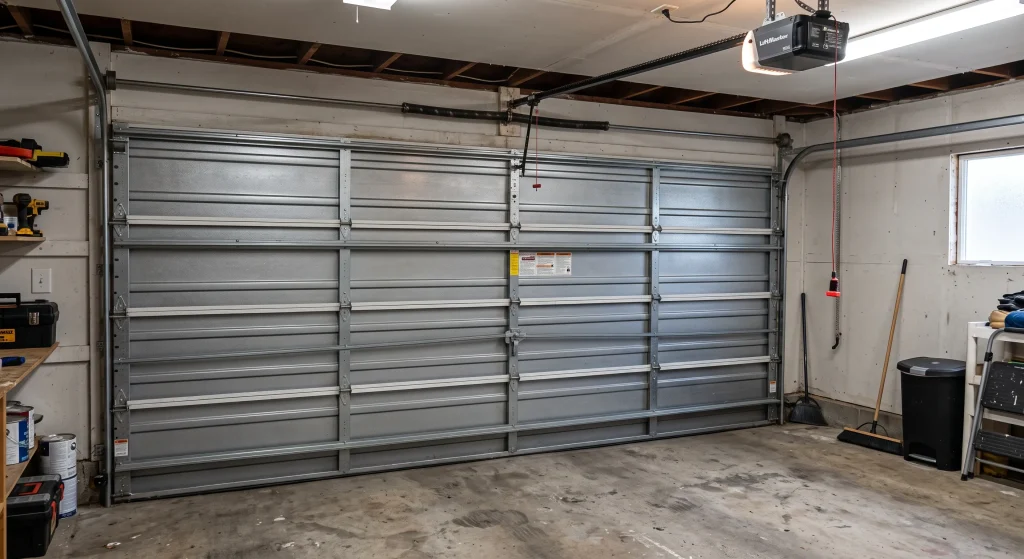
Steel is the most common material used in residential garage door replacements and offers the widest range of options from entry-level to premium.
- Basic single-layer steel doors are the most affordable option and are suitable for garages that are not temperature-sensitive or heavily used.
- Double and triple-layer steel doors with insulation cores cost more but offer better durability, noise reduction, and thermal performance.
- Higher-gauge steel doors resist denting better and maintain their finish longer, making them a better long-term value even at a higher initial cost.
- Steel doors are available in a wide range of styles and finishes, making them a versatile choice for most residential applications in Southlake, TX.
Wood, Aluminum, and Composite Options
Beyond steel, homeowners have several other material options, each with its own cost profile and performance characteristics.
- Wood doors are typically the most expensive option due to the cost of materials and the craftsmanship involved in producing them. They require consistent maintenance to hold up over time.
- Aluminum doors are lightweight and resistant to rust, making them a practical choice for humid environments, but they dent more easily than steel and may cost more in certain custom configurations.
- Composite doors offer the aesthetic of wood with better resistance to moisture and warping. They sit in the mid-to-upper price range and require less maintenance than natural wood.
- Reviewing types of garage doors available in the residential market helps homeowners evaluate which material and style best fit their needs.
Understanding what causes each material to wear differently over time is covered in full in our guide on Why Do Garage Doors Wear Out Faster Than Expected?.
Door Size and Configuration
The physical dimensions of the garage door directly affect both the material cost and the labor involved in installation. Larger and more complex door configurations require more materials and more time to install correctly.
Single Car vs. Two-Car Doors
The width of the garage opening is the primary size variable that affects replacement cost.
- Single-car doors are smaller and require less material, making them the less expensive option from a parts perspective.
- Two-car doors are significantly wider and heavier, requiring more material, heavier-duty springs, and in many cases two torsion springs rather than one to distribute the load evenly.
- Custom-width doors for non-standard openings cost more than standard-size doors because they require materials that are cut and assembled to specific dimensions.
- Homeowners replacing a two-car door should expect the parts cost alone to be meaningfully higher than a comparable single-car replacement, and the labor involved reflects the additional complexity as well.
Door Height and Custom Configurations
Standard residential garage doors come in a range of heights, but openings that fall outside those standard dimensions require custom fabrication that adds to the overall cost.
- Most residential doors are available in standard heights that work with the majority of home garage openings built in the last several decades.
- Older homes or custom-built garages may have opening dimensions that require a non-standard door, which increases both the material cost and the lead time for the job.
- Carriage-style doors and doors with decorative hardware or window inserts cost more than plain panel doors of the same size due to the additional materials and design complexity involved.
- These aesthetic upgrades add meaningful curb appeal and long-term value to the home but should be factored into the overall budget from the beginning of the planning process.
Insulation and Energy Performance
Insulation is one of the most important and frequently underestimated factors in garage door replacement cost. The insulation level of the new door directly affects both the upfront cost and the long-term energy performance of the garage.
Why Insulation Level Matters in Southlake, TX
In Southlake, TX, where summer temperatures regularly exceed 100 degrees Fahrenheit, the thermal performance of a garage door has a direct impact on the comfort and energy costs of the home, particularly for attached garages that share walls with living spaces.
- Non-insulated doors allow significant heat transfer between the garage and the outside environment, which puts extra demand on the home’s cooling system during summer months.
- Single-layer insulated doors with polystyrene panels offer a moderate improvement over non-insulated options at a relatively modest cost increase.
- Triple-layer doors with polyurethane insulation bonded between the steel layers offer the best thermal performance and structural rigidity, at a higher price point that many homeowners find justified by the energy savings over time.
- Choosing the right insulation level for the local climate and the garage’s relationship to the living space is one of the decisions where professional input is particularly valuable.
R-Value and What It Means for Your Budget
The R-value of a garage door measures its resistance to heat transfer. Higher R-values indicate better insulation performance and generally correspond to higher door prices.
- Doors with higher R-values cost more upfront but reduce energy transfer year-round, which has a compounding effect on utility costs over the life of the door.
- For homeowners in Southlake, TX, using the garage as the primary entry and exit point of the home, investing in a higher R-value door is a decision that pays dividends in comfort and energy savings over many years.
- Ensuring that the door selected meets or exceeds applicable performance standards adds confidence that the insulation and structural performance will hold up under real-world conditions. Products that meet automatic garage door safety standards are built and tested to perform reliably over their full rated lifespan, which supports the long-term value of the investment.
- Always ask the technician to explain the R-value options available for the door size and material being considered, so the decision is based on accurate information rather than assumptions.
Existing Hardware and Installation Conditions
The condition of the existing tracks, opener, springs, and framing has a meaningful impact on the total cost of a garage door replacement. A door swap in good existing conditions costs less than a replacement that requires additional garage door repair work on existing hardware alongside the new door installation.
When Existing Hardware Can Be Reused
In some replacement scenarios, the existing tracks, opener, and hardware are in good enough condition to work with the new door, which reduces the overall scope and cost of the job.
- Tracks that are straight, properly mounted, and compatible with the new door can often be reused, eliminating that portion of the replacement cost.
- An opener that is relatively new, properly sized for the new door, and in good working condition can typically remain in service after a door replacement.
- Springs must always be matched to the weight of the new door. Even if the existing springs appear functional, they may not be the correct specification for the replacement door and will need to be replaced or adjusted.
- A thorough technician will assess all existing hardware during the initial consultation and clearly explain what can be retained and what needs to be addressed as part of the replacement.
When Additional Work Is Required
There are situations where the condition of the surrounding structure or existing hardware adds scope to a replacement job that a homeowner may not have anticipated.
- Framing that has rotted, shifted, or is no longer square needs to be addressed before a new door can be installed correctly. This adds both material and labor costs to the project.
- Tracks that are bent, corroded, or incompatible with the new door need to be replaced, which is a separate cost from the door itself.
- An opener that is significantly undersized for the new door, lacks modern safety features, or is at the end of its service life is worth replacing at the same time to avoid a second service call in the near future.
- Getting a complete assessment of the full garage door installation conditions before committing to a replacement gives homeowners an accurate picture of the total investment involved.
For homeowners who want to understand the full context of when a door has deteriorated to the point of replacement, read When to Replace Garage Door: Signs It’s Time for an Upgrade.
Getting the Most Value From Your Replacement
A garage door replacement is an investment that affects the security, energy efficiency, and curb appeal of a home every day. Making informed decisions about material, insulation, and hardware from the beginning ensures that the investment holds up well and delivers the best possible return over time.
Ask the Right Questions Before Committing
Getting accurate information upfront prevents surprises and helps homeowners make decisions based on the full picture rather than partial information.
- Ask for a complete itemized assessment that covers the door, hardware, installation, and any additional work required by the condition of the existing structure.
- Ask about warranty coverage on both the door and the installation labor so you understand what is protected and for how long.
- Ask whether the proposed door is the right specification for the local climate, the garage size, and the usage level of the household.
- A technician who answers these questions clearly and completely is one who is committed to a replacement that serves the homeowner well beyond the day of installation.
Plan for Long-Term Maintenance From Day One
The best way to protect the value of a new garage door is to maintain it properly from the moment it is installed. Starting good habits immediately extends the life of the door and all its components.
- Lubricate springs, rollers, hinges, and tracks within the first month of installation and repeat every few months thereafter.
- Test the door balance and auto-reverse function every few months to confirm the system is operating within safe parameters.
- Schedule a professional garage door tune-up once a year to check spring tension, cable condition, and hardware wear before any issues develop into failures.
For homeowners who want to understand what happens when maintenance is deferred, and warning signs are ignored, our guide on What Happens If You Ignore Garage Door Warning Signs? covers the real consequences of delayed attention in full detail.
Make Your Garage Door Investment Count

A new garage door is one of the most visible and functional improvements a homeowner can make, and understanding what drives the cost ensures the investment is made wisely. Material, size, insulation, and hardware conditions all play a role, and taking the time to understand each of them before moving forward leads to a better outcome and a door that delivers genuine long-term value.
If you are in Southlake, TX, and ready to move forward with a garage door replacement, First Responder Garage Doors evaluates your existing setup, walks you through your options, and installs the right door for your home with the care and precision it deserves. Contact us or give us a call today to get started.