

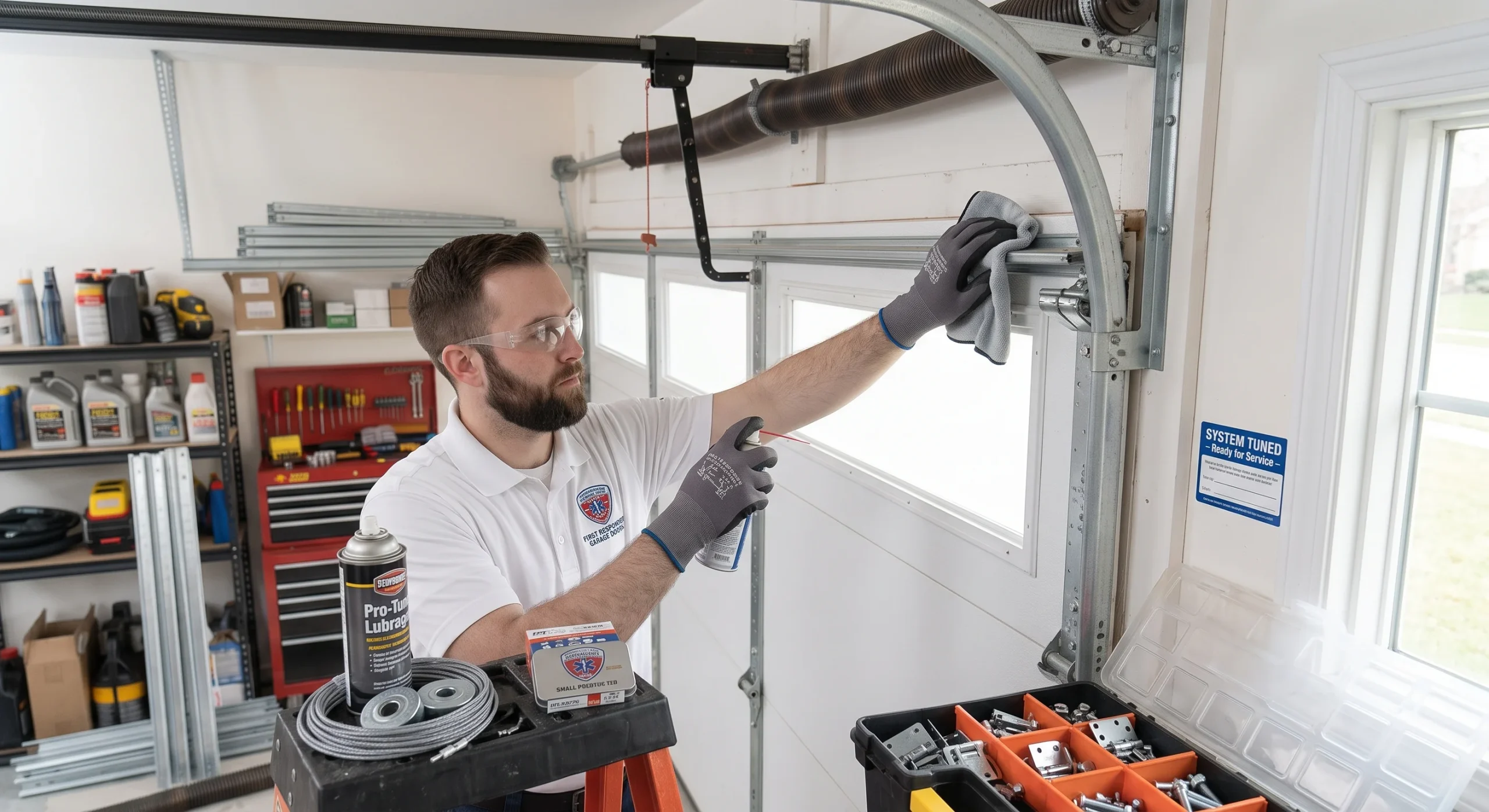
Most homeowners only think about their garage door when it stops working. By that point, what could have been a simple maintenance task has turned into a garage door repair call. The truth is that a garage door that gets a little attention a few times a year will outlast one that gets none by a wide margin.
In Southlake, TX, your garage door deals with blazing summer heat, humid springs, cold winter snaps, and the occasional severe storm. Each season brings its own set of demands on the springs, rollers, seals, and opener. Knowing what to do and when to do it is the simplest way to avoid unexpected garage door repair costs and extend the life of your system.
This guide covers the key maintenance habits every homeowner should build into their routine, organized by what to do, what to check, and how to stay ahead of problems before they start.
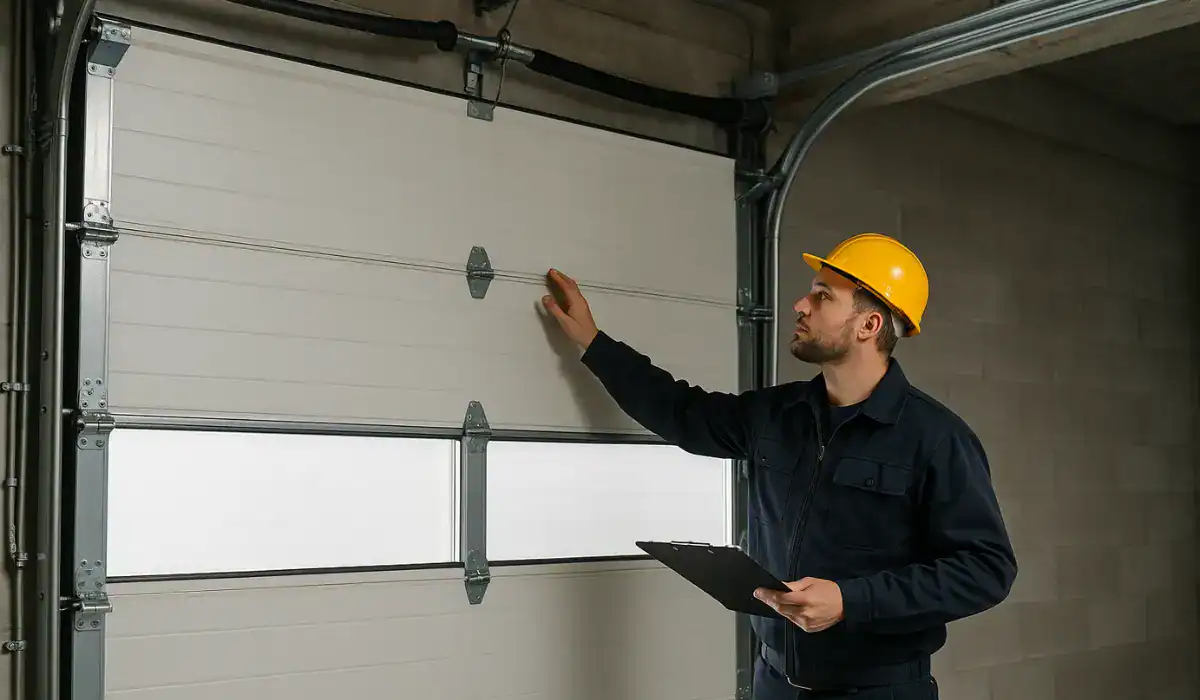
Perform a Monthly Visual and Operational Check
The easiest maintenance habit you can build is a quick monthly check. You do not need tools or technical knowledge for this. You just need a few minutes and your eyes.
Here is what to look for each month:
- Watch the door move through a full open and close cycle. It should move smoothly without jerking, shaking, or stopping mid-way.
- Listen for unusual sounds such as grinding, scraping, rattling, or popping that were not there before.
- Check that the door sits evenly in the frame when fully closed, with no gaps along the sides or bottom.
- Look at the cables and springs for any visible fraying, separation, or deformation.
If anything looks or sounds different from usual, note it and investigate further. Catching a small change early is how you avoid a major repair later.
If your door has already stopped working and you are trying to figure out why, start with our diagnostic guide on Garage Door Won’t Open or Respond? Here’s What’s Going Wrong first.
Test the Auto-Reverse and Safety Features
Your garage door opener has built-in safety features that need to be tested regularly. These are not optional checks. A door that does not reverse properly is a safety risk to anyone in the garage.
Two tests every homeowner should run monthly:
- Obstruction reversal test. Place a flat board or a roll of paper towels flat on the ground in the door’s path. Close the door. When it touches the object, it should automatically reverse. If it does not, the close-force sensitivity needs to be adjusted.
- Photo-eye beam test. While the door is closing, wave your hand or leg through the sensor beam near the floor. The door should immediately stop and reverse. If it keeps closing, the sensors need to be inspected.
These tests take less than two minutes. They are one of the most important things you can do to keep your garage door safe for your family.
Lubricate Moving Parts Every Six Months
Lubrication is one of the highest-impact maintenance tasks and one of the most commonly skipped. Moving metal parts create friction. Friction creates wear. Proper lubricant dramatically reduces that wear and keeps the door operating quietly and smoothly.
What to lubricate and what to use:
- Springs. Apply a thin coat of garage door lubricant or white lithium grease along the full length of the spring coil.
- Rollers. If you have steel rollers, apply lubricant to the bearing area. Nylon rollers do not need lubrication on the wheel itself.
- Hinges. Apply a small amount to each hinge pivot point, especially on the older ones that show signs of rust or stiffness.
- Opener rail or chain. If your opener uses a chain drive, apply lubricant lightly to the chain. Belt drives do not need lubrication.
Use a product designed specifically for garage doors. Avoid WD-40 as a long-term lubricant, as it is a cleaner and solvent rather than a true lubricant and will wash away the protective coating your parts need.
Inspect and Replace the Bottom Seal When Needed
The bottom seal is the rubber strip running along the base of your garage door. It presses against the floor when the door closes and keeps out rain, drafts, insects, and debris. In Southlake, TX, the heat and UV exposure cause this seal to dry out and crack faster than in cooler climates.
Check the bottom seal every three to six months:
- Look for cracks, gaps, or sections that have hardened and pulled away from the door.
- From inside with the door closed, check whether light is visible along the bottom edge.
- Feel for drafts along the floor level when the door is shut.
A damaged bottom seal is an inexpensive fix that has a real impact on energy efficiency, pest control, and moisture protection inside your garage. Most hardware stores carry universal replacement seals that fit standard door widths.
Check and Tighten All Hardware
Your garage door has dozens of bolts, nuts, and brackets holding it together. The constant movement and vibration of daily use gradually loosens this hardware over time. Left unchecked, loose hardware leads to misaligned parts, increased noise, and added stress on the door system.
Every six months, go over the following:
- Tighten the bolts on the track brackets that hold the horizontal and vertical track sections to the wall and ceiling.
- Check the bolts on each hinge plate. If any bolt hole has become stripped or elongated, the hinge should be replaced rather than just re-tightened.
- Inspect the connection between the opener motor bracket and the ceiling for looseness or vibration damage.
- Check the roller stems inside each hinge hole for side-to-side play, which indicates worn hinge holes.
A socket set or wrench handles most of this work. Tightening hardware takes about 20 minutes and prevents a surprising number of larger problems.
Keep the Tracks Clean and Properly Aligned
The tracks guide your door on every single trip up and down. Dirt, grease buildup, and minor impacts from vehicles or equipment can affect how well the tracks do their job.
What to do every few months:
- Wipe the inside of both tracks with a damp cloth to remove dirt and old grease buildup. Avoid applying lubricant inside the track as the rollers need traction, not slippage.
- Look down the length of each track from the floor up. They should be straight with no visible bends or gaps between track sections.
- Check that the gap between the roller and the track edge is consistent all the way up. Inconsistent gaps often point to misalignment.
- Look at the track mounting brackets. Any bracket that appears pulled away from the wall or ceiling should be resecured immediately.
Minor track cleaning and visual checks are safe for homeowners. Bent or severely misaligned tracks require professional realignment.
For a full breakdown of which components are most vulnerable to damage from dirty or misaligned tracks, read Common Garage Door Components That Break Down.
Test the Door Balance Twice a Year
A balanced garage door puts minimal strain on the opener and the entire drive system. An unbalanced door makes the opener work harder than it should, shortening its lifespan significantly.
Here is how to test door balance:
- Disconnect the opener by pulling the red emergency release cord.
- Manually lift the door to the halfway open position and let go.
- A properly balanced door will stay in place or move only slightly.
- A door that drops quickly or shoots upward has a spring tension problem and should be inspected by a technician.
This test takes about one minute. If the door fails it, the spring tension needs to be adjusted, which is a job for a professional due to the tension involved.
According to Angi’s guide on how to inspect and maintain your garage door, balance testing is one of the most overlooked steps in routine garage door care, yet it is one of the most revealing.
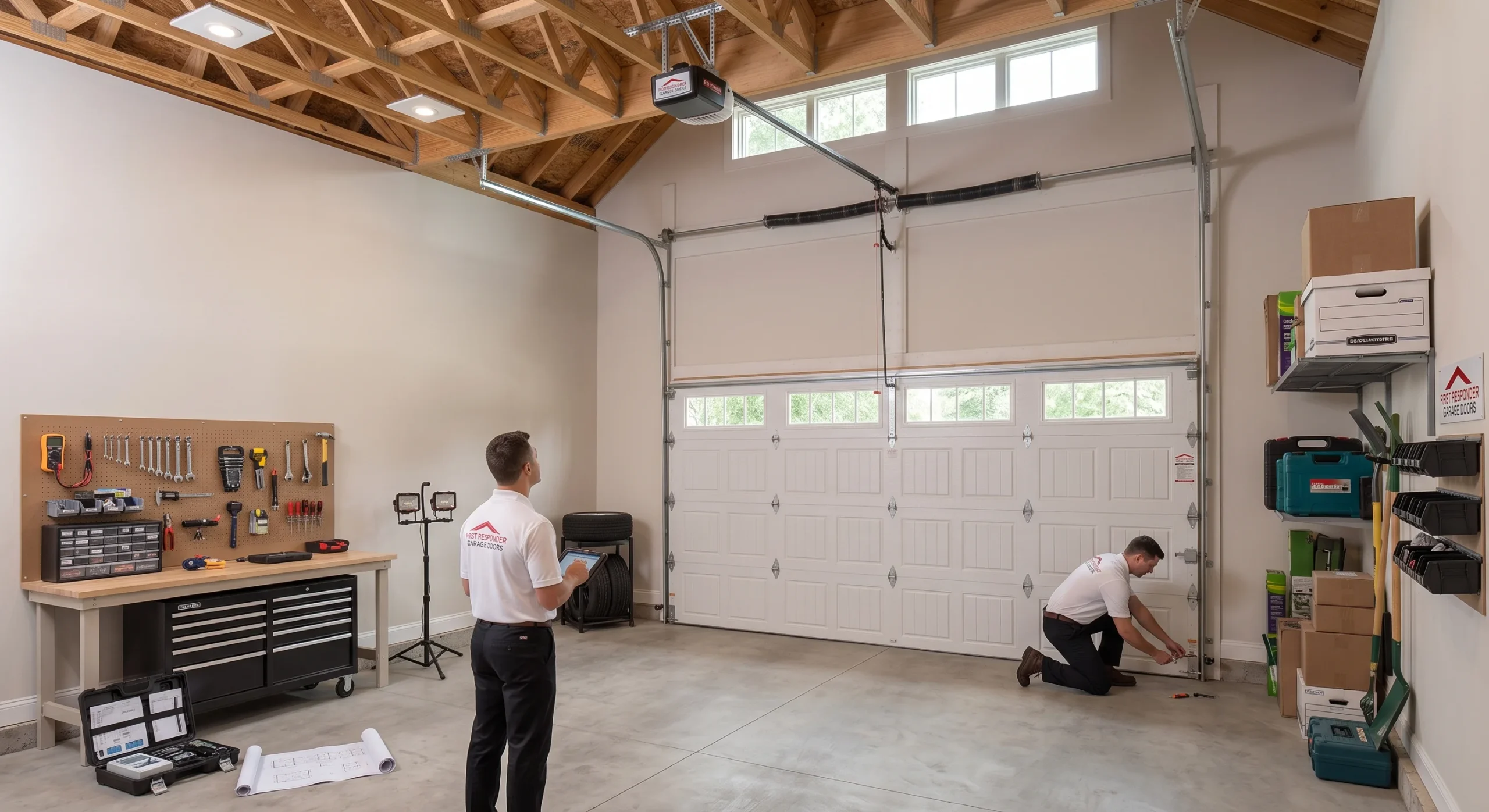
Prepare Your Door for Each Season
Southlake, TX weather puts your garage door through real extremes. A little seasonal preparation goes a long way toward keeping the system running without interruptions.
Spring and summer preparation:
- Check the bottom seal and weather stripping for winter damage and replace if cracked or gapped.
- Lubricate all moving parts before the heat sets in and thickens older lubricant residue.
- Inspect sensors for spider webs or debris that can accumulate during warmer months.
Fall and winter preparation:
- Apply a fresh coat of lubricant before temperatures drop to prevent stiffening in the springs and rollers.
- Check that the bottom seal is in good condition to prevent the door from freezing to the floor overnight.
- Test the opener remote and backup battery if your opener has one. Cold temperatures drain batteries faster.
Seasonal preparation is not a major time investment. A single 30-minute check before each season transition can prevent the most common weather-related failures.
ULSE’s research on automatic garage door safety standards highlights how proper upkeep directly impacts the long-term safety performance of your door system.
Know What Maintenance You Can Do and What You Cannot
There is an important line between homeowner maintenance and professional service. Staying on the right side of that line keeps you safe and keeps your door in better condition.
Safe for most homeowners:
- Visual inspections of all components
- Lubricating springs, rollers, and hinges
- Testing safety reversal and sensor functions
- Tightening hardware bolts
- Replacing the bottom seal and weather stripping
- Cleaning the tracks
Requires a professional:
- Adjusting or replacing torsion or extension springs
- Replacing or reattaching cables
- Realigning severely bent tracks
- Repairing the opener motor or drive system
- Any task that requires releasing spring tension
If during any routine check you notice something that falls into the professional category, stop and schedule a service visit. Attempting spring or cable work without proper training and tools is one of the most common causes of garage door emergencies and puts you at serious risk of injury.
Staying Ahead Is Always Cheaper Than Catching Up
A garage door that gets regular attention rarely fails without warning. The homeowners who deal with emergency repairs are almost always the ones who skipped the routine checks for years.
If your door has not had any maintenance in a while, it is worth doing a full inspection now. Check the springs, cables, rollers, hinges, sensors, and seals. Test the balance and safety reversal. Lubricate everything that needs it. You will likely find a few things worth addressing, and taking care of them now will cost far less than waiting for a breakdown.
If during your inspection, you find signs of wear that go beyond what a homeowner should handle, our guide When to Call a Technician for Your Garage Door will help you decide your next step.
A Well-Maintained Door Starts With a Simple Habit
Consistent, simple maintenance is the best investment you can make in your garage door system. It extends the life of expensive components, keeps your home secure, and prevents the kind of sudden failures that always seem to happen at the worst time.
If your garage door in Southlake, TX has been skipped on maintenance or if something you found during your inspection has you concerned, First Responder Garage Doors is ready to help. Our technicians perform thorough inspections and handle everything from lubrication services to full component replacements. Contact us or give us a call, and let us make sure your door is ready for whatever the season brings.