

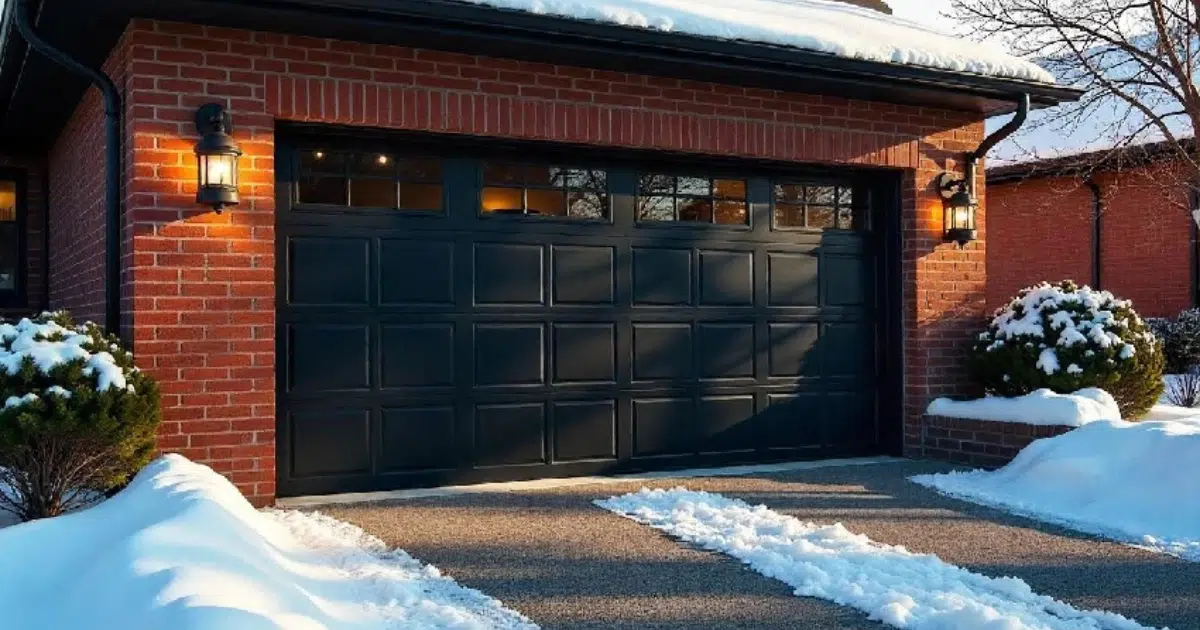
You press the remote. Nothing. You try the wall button. Still nothing. Your garage door is not opening, and now you are standing in the driveway wondering what went wrong.
This is one of the most common garage door repair calls homeowners in Southlake, TX deal with, especially when the weather shifts or the door has not been looked at in a while. The good news is that most of the reasons a garage door stops working are not a mystery. Once you know what to look for, you can figure out whether this is a quick fix or something that needs a professional.
This guide walks you through the most common reasons your garage door won’t open or respond, what you can safely check on your own, and when it is time to bring in a garage door repair expert.
The Remote or Wall Button Has Stopped Working
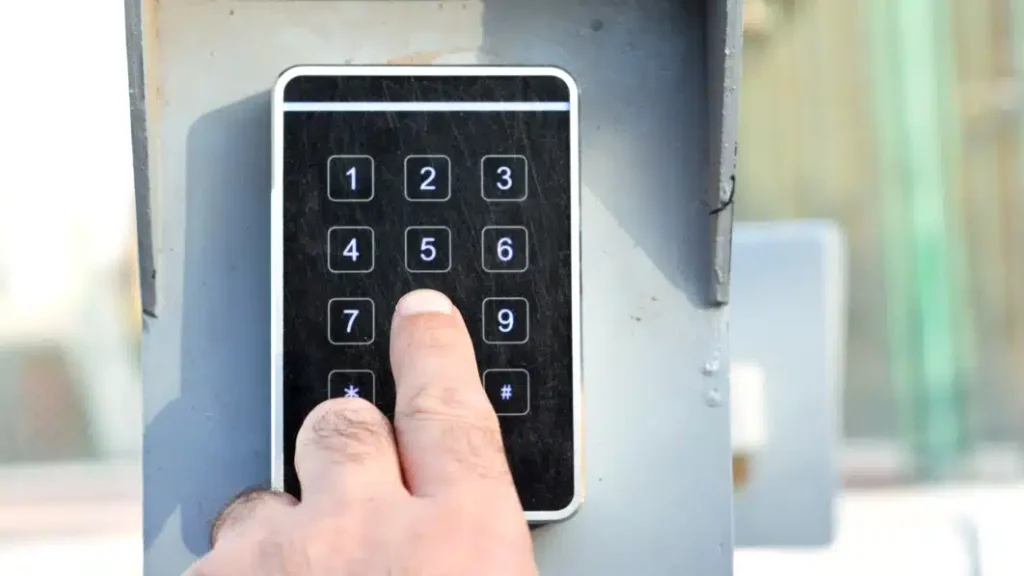
The most overlooked cause of a non-responsive garage door is also the simplest one: the remote or wall button has stopped sending a signal.
Before assuming the worst, start here:
- Dead batteries. Remote batteries die without warning. Swap them out with fresh ones and try again.
- Signal interference. LED bulbs, nearby electronics, and even certain Wi-Fi frequencies can block the signal between your remote and the opener.
- Programming loss. Power outages and surges can cause your remote to lose its pairing with the opener.
- Wall button wiring. If the wall button is unresponsive, the wiring connecting it to the opener motor may have come loose or worn down over time.
To understand more about which specific parts are failing and why, read our guide on Common Garage Door Components That Break Down.
The Opener Motor Is Running, But the Door Is Not Moving
You hear the motor running, but the door stays put. This is a clear sign that the motor and the door have been disconnected from each other. Here is what usually causes it:
- The disconnect cord was pulled. There is a red emergency release cord hanging from your opener track. If someone pulled it (intentionally or by accident), the door is now in manual mode and will not respond to the opener.
- Broken drive system. Openers use a belt, chain, or screw to move the door. If any of these break, the motor runs, but nothing moves.
- Stripped gears. The internal plastic gears inside many opener units wear down over time. When they strip, the motor spins but cannot transfer power to the drive.
If the door feels completely disconnected from the opener, do not force it. Reconnect the emergency cord and check the drive system for visible damage before trying to run the motor again.
The Safety Sensors Are Blocked or Misaligned
Every modern garage door has two small sensors sitting a few inches off the ground on each side of the door track. These are called photo-eye sensors, and they send an invisible beam across the opening. If anything interrupts that beam, the door will not close and may refuse to open entirely.
Check for these issues:
- Blinking sensor lights. A steady green light means the sensor is aligned. A blinking or amber light means something is off.
- Dirt or debris on the lens. Even a thin layer of dust can block the signal. Wipe the lenses with a soft, dry cloth.
- Misalignment. If a sensor has been bumped or knocked slightly out of position, the beam breaks. Gently realign both sensors so they face each other directly.
- Sunlight interference. Direct sunlight hitting the sensor during certain times of day can confuse the signal. In Southlake, TX, this is especially common during summer afternoons.
A Broken Spring Is Preventing the Door From Lifting
This is one of the most common and most serious reasons a garage door will not open. Garage door springs carry almost all of the weight of the door. When one breaks, the opener cannot lift the door on its own.
Here is how to tell if a spring is the problem:
- You heard a loud bang coming from the garage (this is the spring snapping).
- The door feels extremely heavy when you try to lift it manually.
- One side of the door appears lower or crooked compared to the other.
- You can see a visible gap or separation in the spring coil above the door.
Do not attempt to open or operate a garage door with a broken spring. The door can fall suddenly and cause serious injury. This is a repair that requires a trained technician.
The Power Source Has Been Interrupted
It sounds obvious, but a loss of power is one of the first things to check when a garage door opener stops responding.
- Tripped breaker. Check your electrical panel for any tripped breakers connected to the garage circuit.
- Unplugged motor unit. The opener plugs directly into a ceiling outlet. Vibration over time can loosen the plug. Check that it is fully seated.
- GFCI outlet reset needed. If your garage outlets are on a GFCI circuit, a tripped GFCI can cut power to the opener. Press the reset button on the outlet.
- Power outage. If your neighborhood lost power recently, the opener may need to be reset after power is restored.
Southlake, TX, experiences strong spring storms that can cause brief outages. After any storm, it is worth checking your opener before assuming something has broken.
For a broader look at what other issues could be at play, The Spruce covers common garage door troubleshooting tips that every homeowner should be familiar with.
The Door Tracks Are Bent, Blocked, or Misaligned
The metal tracks on either side of your door guide it up and down every time it opens or closes. When those tracks are bent, blocked by debris, or fall out of alignment, the door has nowhere to go.
Signs of a track problem include:
- The door starts to open then stops or reverses.
- You hear grinding or scraping sounds during operation.
- The door looks uneven or tilted as it moves.
- There is visible bending or separation in the track.
Minor obstructions can sometimes be cleared on your own. However, bent or misaligned tracks almost always require professional realignment. Trying to force a door along a damaged track can cause more damage to the door panels, rollers, and opener.
According to the International Door Association’s care and maintenance guidelines, regular track inspections are one of the most effective ways to prevent breakdowns before they happen.
The Limit Settings on the Opener Are Off
Your garage door opener has built-in limit settings that tell it exactly how far to open and close. When these settings drift, the opener may think the door has reached the floor or the fully open position before it actually has.
This shows up as:
- The door opens only partway and stops.
- The door reverses immediately after touching the ground.
- The door opens fully, but the opener does not stop running.
Left uncorrected, misaligned limit settings can turn into garage door emergencies, putting unnecessary strain on the motor and other components over time. Most modern openers have limit adjustment screws or buttons on the motor unit itself. While this is something some homeowners can adjust, it is worth calling a technician if you are not familiar with your specific opener model.
Extreme Weather Is Affecting the Door’s Performance
In Southlake, TX, temperatures can shift dramatically between seasons. Cold weather causes metal parts to contract and lubricants to thicken. Heat causes expansion. Both extremes can make a garage door sluggish, unresponsive, or completely stuck.
Common weather-related issues include:
- Metal tracks and springs becoming stiff in cold temperatures.
- Wooden door panels swelling from humidity and pressing against the frame.
- Lubricants drying out or freezing, which increases friction on rollers and hinges.
- The seal at the bottom of the door freezing to the concrete floor overnight.
Knowing how to protect your door through seasonal changes is a big part of keeping it functional year-round. Our guide on How to Keep Your Garage Door Working All Year Long covers exactly what to do before each season hits.
What You Can Safely Check on Your Own
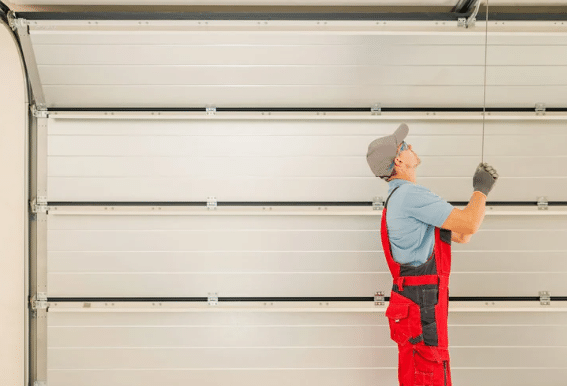
Not every problem needs a professional right away. Here is a short list of things any homeowner can check safely:
- Replace remote batteries.
- Wipe sensor lenses and check alignment.
- Verify the opener is plugged in and the circuit breaker has not tripped.
- Look for the emergency release cord and make sure it has not been accidentally pulled.
- Clear any visible debris from the tracks.
- Listen for unusual sounds during operation.
If any of these checks reveal a problem, address it before calling for service. If none of them solve the issue, it is time to bring in a professional.
When the Problem Goes Beyond a Quick Check
Some garage door problems are not safe to handle on your own. Broken springs, damaged cables, bent tracks, and electrical issues inside the opener should all be handled by a trained technician. If you are unsure, it is always better to stop and call rather than risk injury or further damage.
For a detailed breakdown of when professional service is necessary, read When to Call a Technician for Your Garage Door.
Your Garage Door Won’t Open or Respond. Check on it!
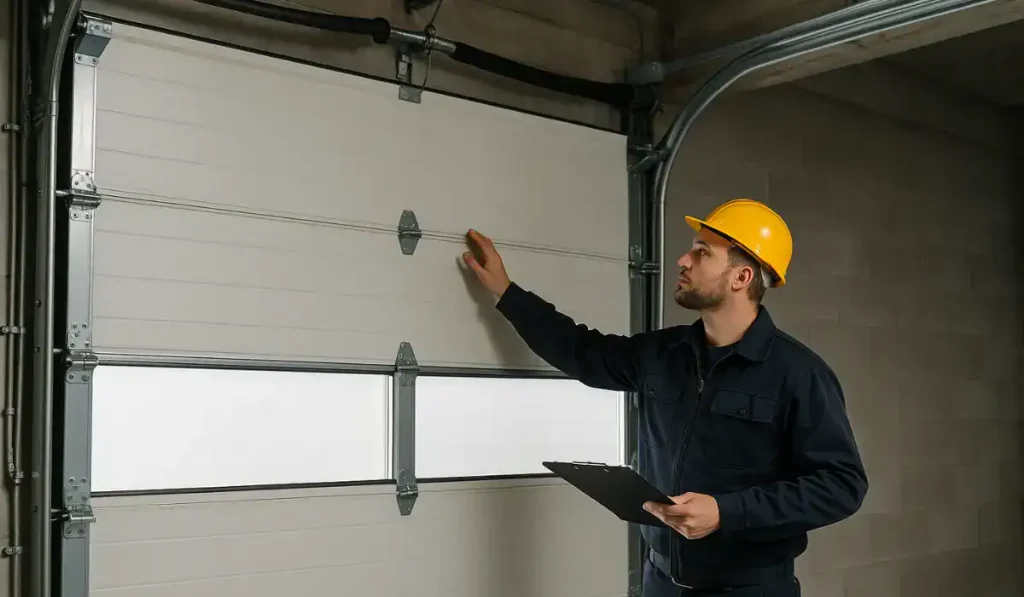
A garage door that won’t open or respond is not just an inconvenience. It is a signal that something in the system needs attention. The longer a problem goes unchecked, the more likely it is to get worse and more expensive to repair.
Most issues come down to a handful of common causes: dead batteries, broken springs, misaligned sensors, power interruptions, or worn-out parts. Understanding what to look for puts you in a much better position to respond quickly and make the right call.
If you are in Southlake, TX and your garage door is giving you trouble, First Responder Garage Doors is here to help. Our team is trained to diagnose and repair all types of garage door problems quickly and safely. Contact us or give us a call to schedule a service visit, and we will get your door back on track.