

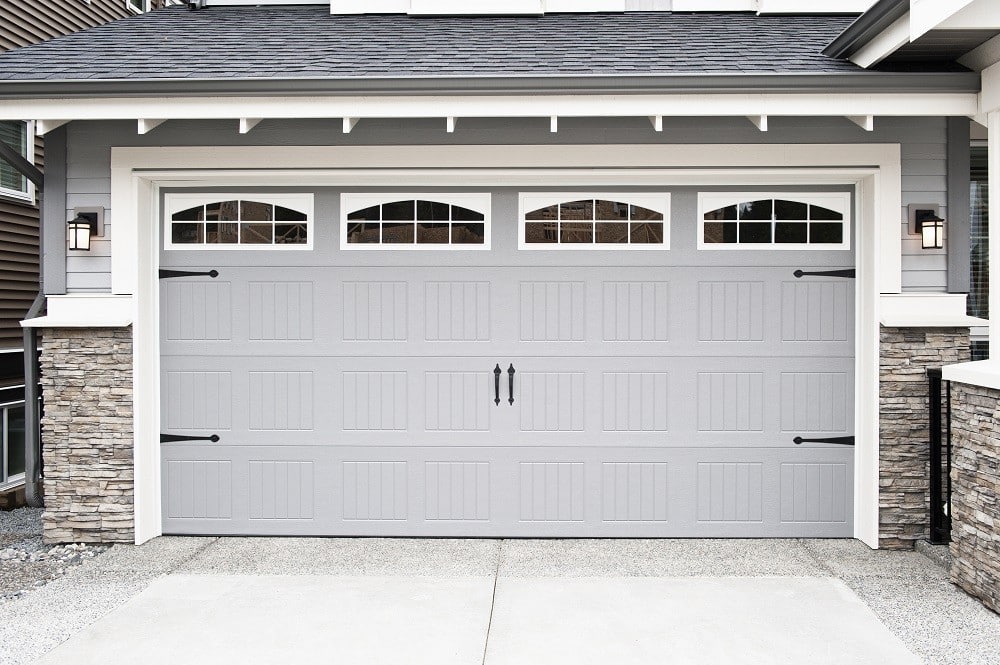
The main benefits of installing an insulated garage door are lower energy costs for homes with attached garages, a cooler and more comfortable garage in Texas heat, a stronger door that resists dents, quieter operation, and better protection for your car and anything stored in the garage. An insulated door can also boost curb appeal and make your home more attractive to buyers. For most North Texas homes, especially those with rooms next to or above the garage, insulation is one of the most practical garage door upgrades you can make, and its sturdier build can mean less garage door repair over the years.
Key Takeaways
- Insulation matters most for attached garages, where heat moves into nearby rooms.
- Three-layer doors with polyurethane cores typically offer the highest insulation levels.
- Insulated doors are stronger and resist dents better than single-layer steel.
- They run quieter and block more outside noise.
- Good seals and weatherstripping are just as important as the insulation itself.
Garage Door Insulation Types Compared
Not all insulated doors are built the same. The construction and insulation type determine how well a door blocks heat, how strong it is, and what it costs.
Which Insulated Garage Door Construction Is Best?
Door Construction | Insulation Type | Typical R-value Range | Best For |
Single-layer steel | None | None | Detached garages used only for parking |
Two-layer steel | Polystyrene panels on the back | About R-4 to R-7 | Budget upgrades with some added comfort |
Three-layer steel, polystyrene core | Rigid polystyrene between two steel skins | About R-6 to R-10 | Attached garages on a moderate budget |
Three-layer steel, polyurethane core | Foam injected between two steel skins | About R-12 to R-18 or higher | Attached garages, rooms above the garage, and workshops |
What Is the Difference Between Polystyrene and Polyurethane?
Polystyrene is a rigid foam board cut to fit inside the door. Polyurethane is injected as a liquid and expands to fill every gap, bonding to the steel. That bond makes polyurethane doors stronger and gives them a higher R-value at the same thickness.
1. Lower Energy Costs for Attached Garages
Your garage door is usually the largest opening in your home. If your garage shares a wall or ceiling with living space, an uninsulated door lets outdoor heat flow straight toward those rooms.
Does an Insulated Garage Door Lower Energy Bills?
It can, especially for attached garages. By slowing heat transfer through the door, insulation helps keep the garage closer to indoor temperatures, so your air conditioning doesn’t have to work as hard to cool nearby rooms.
Which Homes Benefit Most From an Insulated Garage Door?
Homes with a bedroom, bonus room, or office above or beside the garage see the biggest difference. Many two-story homes in Southlake, Colleyville, and Trophy Club have a bonus room right over the garage, where insulation makes a noticeable change. If you’re building, ask about insulated options as part of your new construction garage door installation.
How Much Can an Insulated Garage Door Save?
Savings depend on your home’s layout, how often the door opens, and how well the rest of the garage is sealed. The door works best as part of a bigger picture that includes weatherstripping, wall insulation, and a well-sealed door between the garage and your house.
2. A More Comfortable Garage in Texas Heat
North Texas summers can turn an uninsulated garage into one of the hottest spaces on your property. An insulated door keeps temperatures more stable year-round.
How Hot Does an Uninsulated Garage Get?
On summer afternoons, an uninsulated garage can get much hotter than the air outside, especially when the door faces the sun. An insulated door blocks much of that radiant heat.
Can You Use an Insulated Garage as a Workspace or Gym?
Yes. Many homeowners use the garage as a workshop, home gym, or hobby space. Insulation makes these spaces far more usable during hot summers and chilly winter mornings.
Does an Insulated Garage Door Help in Winter Too?
Yes. North Texas winters are short, but cold snaps and freezes do happen. An insulated door helps hold in warmth, protecting pipes, water heaters, and anything sensitive to freezing that sits in the garage.
3. A Stronger, More Dent-Resistant Door
Insulated doors are built with more layers than basic single-layer doors, which makes them sturdier and better at handling everyday bumps.
Are Insulated Garage Doors More Durable?
Yes. A three-layer door sandwiches insulation between two steel skins, creating a rigid panel that resists dents from basketballs, bikes, and hail. Polyurethane cores add even more strength because the foam bonds to the steel.
What Happens If an Insulated Door Gets Dented?
Minor dents are less common, but if a section is damaged, garage door panel replacement can often fix it without replacing the whole door. Durability is also a big reason insulated steel ranks high on the list of tips for choosing a long-lasting garage door.
4. Quieter Operation and Less Outside Noise
Hollow, single-layer doors tend to rattle and bang as they move. Insulation dampens vibration, so the door runs noticeably quieter. That matters most when a bedroom or living area sits right next to or above the garage.
Do Insulated Garage Doors Reduce Noise?
Yes, in two ways. The door itself makes less noise opening and closing, and the insulation helps block street and neighborhood noise from entering the garage.
Will an Insulated Door Keep Garage Noise From Bothering Neighbors?
It helps. If you run power tools, work out, or play music in the garage, an insulated door keeps more of that sound inside, which your neighbors and family will appreciate.
5. Better Protection for Your Car and Stored Items
The garage protects more than your car. Many homeowners store tools, paint, electronics, a spare refrigerator, and pet food there, and extreme heat can damage all of them.
Does Garage Heat Affect Your Car?
Extreme heat is hard on car batteries, tires, and fluids over time. Keeping the garage cooler helps reduce that wear, and it also means you climb into a cooler car on summer mornings instead of one that has been sitting in a hot box all night.
What Stored Items Are Most Affected by Garage Heat?
Paint, adhesives, electronics, and some cleaning products can break down in high heat. A garage refrigerator or freezer also has to work harder in a hot space, which uses more energy.
6. Improved Curb Appeal and Home Value
An insulated door can look like any other style you choose, from modern flush panels to carriage-house designs, while adding real performance to your home.
Does an Insulated Garage Door Add Home Value?
Energy-efficient features appeal to buyers, and a new garage door gives your home a fresh look from the street. Insulation adds function without changing the style you want. Because the garage door takes up so much of the front of many homes, upgrading it is one of the most visible improvements you can make.
How Much Does an Insulated Garage Door Cost?
Cost depends on door size, insulation type, style, and windows. The factors that affect the cost of a new garage door include material, insulation level, and hardware upgrades.
How to Get the Most From an Insulated Garage Door
Choosing the right door is only part of the picture. Ratings, seals, and the rest of your garage all affect how well insulation performs.
What Is the Difference Between R-Value and U-Factor?
R-value measures how well the insulation in a single door section resists heat, while U-factor measures heat flow through the entire installed door. DASMA explains the difference between R-value and U-factor, noting that section R-values don’t show how the complete door performs.
Why Do Seals and Weatherstripping Matter?
Even the best insulated door loses efficiency if air leaks around the edges. A tight bottom seal and fresh weatherstripping block drafts, dust, and pests, which also helps keep mice out of your garage.
Should You Insulate Your Garage Walls Too?
For attached garages, it helps. The Department of Energy’s Building America guidance on air sealing and insulating garage walls notes that sealing and insulating garage walls and ceilings improves efficiency, and that sealing an attached garage from the living space helps keep carbon monoxide out of the home.
Do the Door Material and Windows Affect Insulation?
The material on the outside of the door matters less than what is inside it. Steel, wood, and composite doors can all be built with an insulated core, and a bare panel of any of them does little on its own to slow heat. When you compare doors, ask how each one is constructed and insulated rather than judging by the face material alone. Our guide to insulated vs. non-insulated garage doors walks through that comparison.
Windows are the other piece people overlook. A glass section usually lets more heat through than an insulated panel, so a row of windows can chip away at the comfort you are paying for, especially on a door that gets afternoon sun. That does not mean you have to skip them. Many doors offer insulated or double-pane glass, and keeping windows to the top section is a common compromise between natural light and efficiency. If the garage sits under a bonus room or shares a wall with living space, it is worth asking about glass options before you settle on a design.
Does an Insulated Door Need Different Springs?
Insulated doors are heavier, so the springs must be matched to the door’s weight. That’s one reason professional garage door installation matters, and why worn springs on an insulated door call for broken garage door spring replacement sized for the correct weight.
Upgrade to an Insulated Garage Door
An insulated garage door makes your home more comfortable, quieter, and better protected, especially in the North Texas heat. If your current door is old, dented, or letting heat pour into your home, knowing when to replace a garage door can help you plan the upgrade.
First Responder Garage Doors provides insulated garage door replacement and installation across Southlake, Coppell, Flower Mound, Colleyville, Grapevine, Keller, North Richland Hills, Roanoke, and Trophy Club. Contact us to find the right insulated door for your home, or give us a call.
Frequently Asked Questions
Is an insulated garage door worth it in Texas?
Yes, especially for attached garages. Insulation helps keep summer heat from reaching nearby rooms and makes the garage more comfortable to use.
What R-value should I look for in a garage door?
For attached garages or rooms above the garage, a higher R-value makes a bigger difference.
Is polyurethane better than polystyrene insulation?
Polyurethane typically offers a higher R-value and a stronger door because the foam bonds to the steel. Polystyrene is a solid, more budget-friendly option.
Do insulated garage doors really keep the garage cooler?
Yes. They slow heat transfer through the door, which helps keep the garage cooler than it would be with an uninsulated door.
Are insulated garage doors quieter?
Yes. Insulation reduces rattling and vibration, and in our experience, homeowners often notice the difference the first time they open the new door.
Are insulated garage doors heavier?
Yes, they weigh more than single-layer doors, so the springs and opener need to be matched to the door’s weight during installation.
Can I add insulation to my existing garage door?
Insulation kits exist, but they add weight the springs weren’t set up for and rarely match a factory-insulated door. In most cases, a new insulated door performs better.
Do I need a new opener with an insulated garage door?
Not always. A technician can check whether your current opener is suited to the new door’s weight and still in good condition.
How long does an insulated garage door last?
With regular maintenance, an insulated steel door can last for decades. A yearly garage door tune-up helps keep the springs, rollers, and seals in good shape.
How much does an insulated garage door cost?
Cost depends on size, insulation type, style, and windows.