

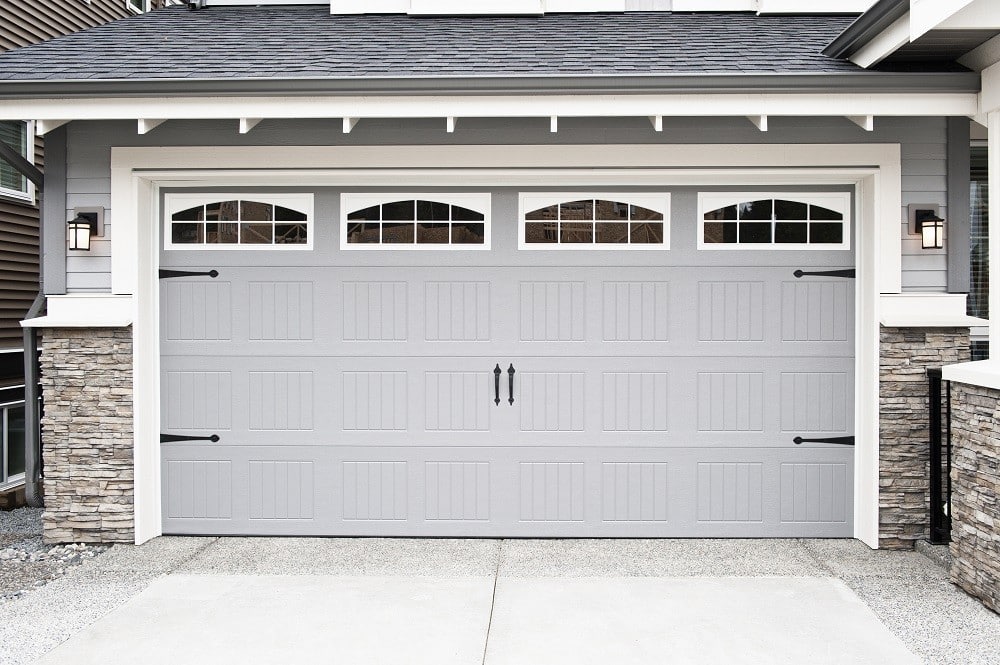
The main difference between insulated and non-insulated garage doors is how they’re built. An insulated door has a foam core, usually sandwiched between two steel skins, while a non-insulated door is a single layer of steel with an open back. Insulated doors keep the garage cooler in Texas summers, resist dents better, and run quieter, but they cost more upfront. Non-insulated doors are lighter and more affordable, and they work well for detached garages or garages used only for parking. If your garage is attached to your home or has living space above it, an insulated door is usually the better choice, and its dent-resistant build tends to need less garage door repair over time.
Key Takeaways
- Insulated doors are best for attached garages and rooms next to or above the garage.
- Non-insulated doors cost less and suit detached or rarely used garages.
- Insulated doors are stronger and quieter thanks to their layered construction.
- Insulated doors weigh more, so springs and openers must be matched correctly.
- Retrofit insulation kits help a little, but rarely match a factory-insulated door.
Insulated vs Non-Insulated Garage Doors at a Glance
The two door types differ in construction, performance, and price. This side-by-side comparison shows how they stack up for a typical North Texas home.
How Do Insulated and Non-Insulated Garage Doors Compare?
Feature | Insulated Garage Door | Non-insulated Garage Door |
Construction | Foam core, often between two steel skins | Single layer of steel with an open back |
Temperature control | Keeps the garage noticeably cooler in summer and warmer in winter | Garage temperature follows the outdoors closely |
Energy impact on attached homes | Reduces heat moving into nearby rooms | Little to no help |
Dent resistance | High, especially with polyurethane cores | Lower, dents more easily |
Noise | Quieter operation and less outside noise | Louder, more rattling |
Weight | Heavier | Lighter |
Upfront cost | Higher | Lower |
Best for | Attached garages, rooms above, workshops, gyms | Detached garages, parking only, tight budgets |
Which Differences Matter Most in Texas?
Temperature control and durability matter most here. Long, hot summers make an uninsulated garage uncomfortable, and hailstorms are hard on thin, single-layer steel.
1. How Insulated and Non-Insulated Doors Are Built
Construction is where every other difference starts. The number of layers and the type of insulation decide how strong, quiet, and energy efficient the door will be.
What Is a Non-Insulated Garage Door?
A non-insulated door is usually a single sheet of steel shaped into panels, with the back left open. It’s lightweight and simple, which keeps the cost down.
What Is an Insulated Garage Door?
Insulated doors add a foam core. Two-layer doors attach polystyrene to the back of the steel, while three-layer doors sandwich polystyrene or polyurethane foam between two steel skins for the most strength and insulation.
2. Energy Efficiency and Temperature Control
This is the biggest practical difference between the two. An uninsulated door lets outdoor heat pass straight into the garage, while an insulated door slows it down.
How Much Cooler Is a Garage With an Insulated Door?
Results vary by home, but the difference can be significant. Family Handyman’s guide on how to insulate a garage door cites manufacturer studies showing an R-18 insulated door can keep a garage about 25 degrees cooler in summer and about 12 degrees warmer in winter.
Does an Attached Garage Need an Insulated Door?
In most cases, yes. Most homes in Southlake, Colleyville, and Trophy Club have attached garages, and when the garage shares a wall or ceiling with living space, the heat it collects moves into those rooms. The benefits of an insulated garage door are greatest in homes with a bedroom, office, or bonus room above or beside the garage.
Does a Detached Garage Need an Insulated Door?
Usually not, unless you use the space for more than parking. If you work, exercise, or store heat-sensitive items in a detached garage, an insulated door still makes the space far more comfortable during Texas summers.
3. Durability and Dent Resistance
Insulated doors are built to take more abuse. The layered construction makes each panel stiffer and harder to dent.
Are Insulated Garage Doors More Durable?
Yes. The foam core supports the steel from behind, so everyday bumps from bikes, balls, and car doors are less likely to leave a mark. The All About Garage Doors guide from This Old House recommends dent-resistant 24-gauge steel and notes that foam-insulated steel doors can reach R-values as high as 17.
How Do Non-Insulated Doors Hold Up in Hailstorms?
Thin, single-layer steel dents more easily in North Texas hail. If a section is damaged on either type of door, garage door panel replacement can often fix it without replacing the whole door.
4. Noise Levels
A single sheet of steel tends to rattle and vibrate as the door moves. Insulation dampens that vibration and absorbs outside sound.
Are Insulated Garage Doors Quieter?
Yes. They run more smoothly and block more street and neighborhood noise, which matters most when a bedroom sits next to or above the garage.
Does a Non-Insulated Door Make the Opener Louder?
The opener itself makes the same sound, but a lighter, hollow door can rattle and bang more as it moves along the tracks.
Is an Insulated Door Better for a Garage Gym or Workshop?
Yes. Blocking outside noise keeps neighbors happier when you run power tools or play music, and the steadier temperature makes long projects and workouts more bearable.
5. Cost and Long-Term Value
Non-insulated doors win on upfront price. Insulated doors cost more but often deliver more comfort, durability, and appeal over time.
How Much More Does an Insulated Garage Door Cost?
The price gap depends on door size, insulation type, and style. The factors that affect the cost of a new garage door include materials, insulation level, windows, and hardware upgrades.
Is an Insulated Garage Door Worth the Extra Cost?
For attached garages, usually yes, because you gain comfort, durability, and quieter operation along with energy benefits. Insulated steel is also one of the top picks when choosing a long-lasting garage door.
6. When a Non-Insulated Garage Door Makes Sense
Insulation isn’t the right fit for every garage. A non-insulated door can be the smart, budget-friendly choice in the right situation.
Who Should Choose a Non-Insulated Garage Door?
A non-insulated door works well for detached garages, garages used only for parking, storage buildings, and homeowners on a tight budget who don’t spend time in the garage.
Can a Non-Insulated Door Still Look Good?
Yes. Non-insulated steel doors come in many styles and colors, including wood-grain finishes, so you don’t have to give up curb appeal to save money.
Can You Switch to an Insulated Door Later?
Yes. Many homeowners start with a non-insulated door and upgrade when they convert the garage into a workspace or finish a room above it. Because an insulated door is heavier, the springs and sometimes the opener need to be matched to it during the switch.
7. Can You Insulate a Non-Insulated Garage Door?
Retrofit insulation kits are available, but they come with trade-offs. Adding insulation to an existing door isn’t the same as buying a factory-insulated one.
Do Garage Door Insulation Kits Work?
They can improve comfort somewhat, especially when paired with new weatherstripping and a bottom seal. They typically offer lower R-values than factory-insulated doors and don’t add much strength.
Does Adding Insulation Affect the Springs?
Yes. Kits add weight, and springs set for the original door may no longer balance it. After adding insulation, have the door checked. An unbalanced door strains the opener and may need spring adjustment or broken garage door spring replacement sized for the new weight.
8. How to Choose the Right Garage Door for Your Home
The right choice depends on how your garage connects to your home, how you use it, and your budget.
Questions to Ask Before You Decide
- Is the garage attached to the house or below a room?
- Do you use the garage as a workshop, gym, or hobby space?
- Do you store temperature-sensitive items like paint, electronics, or a spare fridge?
- How important is noise reduction?
- What’s your budget for the door and installation?
If you answered yes to any of the first four, an insulated door is likely worth it.
Why Does Professional Installation Matter for Both Types?
Both doors need springs, tracks, and an opener matched to their weight. Professional garage door installation makes sure the door is balanced and sealed, and if you’re building, insulated options can be included in your new construction garage door installation.
Choose the Garage Door That Fits How You Live
Insulated and non-insulated doors both have a place. Insulated doors deliver comfort, strength, and quiet for attached garages, while non-insulated doors keep costs down for detached or parking-only garages. If your current door is showing its age, knowing when to replace a garage door helps you plan the right upgrade, and a few steps to prepare your garage door for winter keep either type working through cold snaps.
First Responder Garage Doors provides insulated and non-insulated garage door replacement across Southlake, Coppell, Flower Mound, Colleyville, Grapevine, Keller, North Richland Hills, Roanoke, and Trophy Club. Contact us to compare options for your home, or give us a call.
Frequently Asked Questions
Is an insulated garage door worth it in Texas?
For attached garages, yes. Insulation helps keep summer heat out of the garage and nearby rooms, and the door is stronger and quieter.
When is a non-insulated garage door the better choice?
When the garage is detached, used only for parking, or you’re working with a tight budget and don’t spend time in the garage.
Are insulated garage doors heavier?
Yes. They weigh more than single-layer doors, so the springs and opener need to be matched to the door’s weight.
Do insulated garage doors really keep the garage cooler?
Yes. They slow heat transfer through the door, which can make a noticeable difference in summer.
Are non-insulated garage doors less durable?
They’re more prone to dents because they’re a single layer of steel. With proper care, they can still last many years.
Can I add insulation to my existing garage door?
Yes, with a retrofit kit, but it adds weight and typically performs below a factory-insulated door. Have the balance checked after installing it.
Are insulated garage doors more secure?
They’re sturdier, but security mostly depends on the opener, locks, and how you store your remotes.
Does an insulated garage door need a stronger opener?
Not always. A technician can check whether your current opener is suited to the new door’s weight.
Which lasts longer, an insulated or non-insulated garage door?
In our experience, insulated steel doors usually hold up better over time because the foam core adds strength and dent resistance.
How often should either type of door be serviced?
Once a year. A professional garage door tune-up keeps the springs, rollers, and seals working on both insulated and non-insulated doors.