
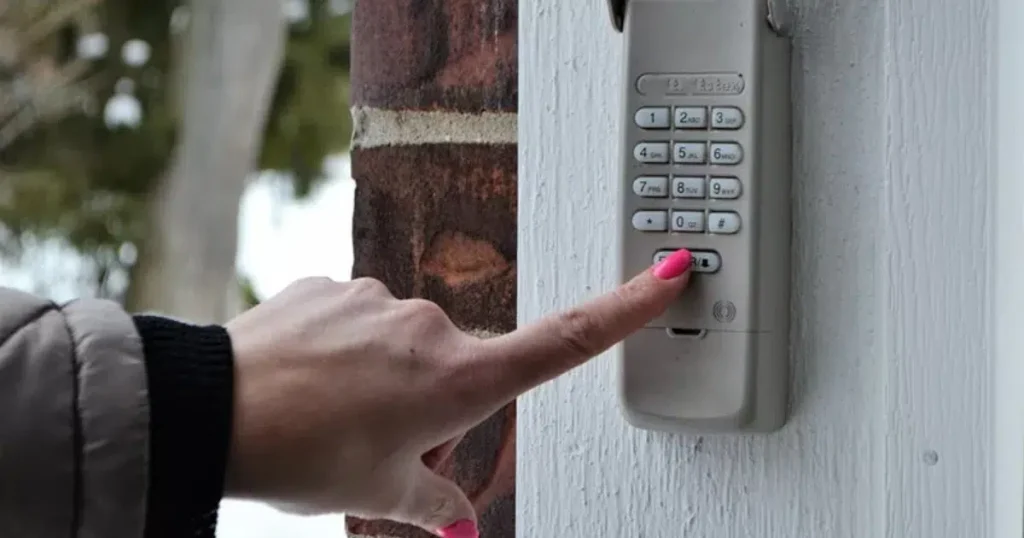
Resetting a keypad can feel like the quickest path back to normal. But in real garages around Southlake, TX, a pattern often appears: homeowners reset it, it works for a day or a week, then the same failure comes right back. That is usually your sign that the keypad is not “glitching” anymore. It is wearing out, taking on moisture, or losing stable communication with the opener.
This guide helps you decide when a reset still makes sense, when replacement is the smarter move, and what clues separate a keypad problem from an opener or door-system problem, so you know when to handle it as a keypad swap and when to schedule professional garage door repair.
Replacement vs. Reset Decision Factors
Resetting can clear temporary programming or lockout conditions, while replacement addresses physical wear, moisture damage, and aging electronics. The difference matters because repeated resets only help when the keypad is still mechanically sound, and the opener is reliably receiving commands.
Most homeowners are trying to determine three things:
- Whether the issue is temporary, or whether the keypad is nearing the end of its service life
- Whether the keypad is the actual problem, or whether the opener is refusing to run due to another condition
- Whether replacing the keypad is likely to restore long-term reliability, or whether the same symptoms will continue due to receiver, safety sensor, or door-system factors
If you want the fastest step-by-step order for what to check first, read Garage Door Keypad Not Working? Troubleshooting Checklist.
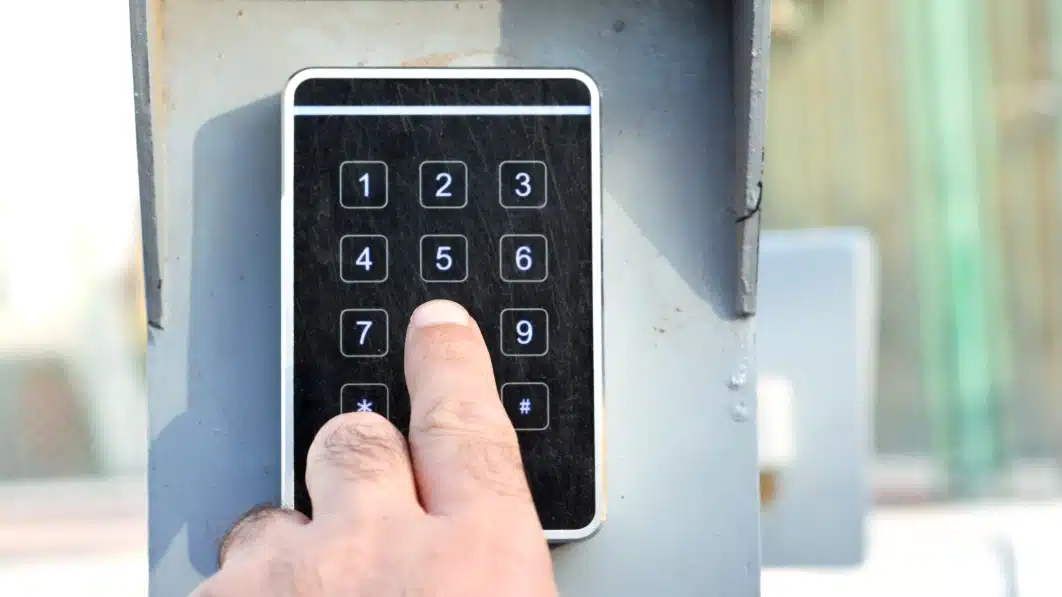
When Resetting Still Makes Sense
A reset is worth trying when the symptoms point to a temporary issue, not a physical failure. In the field, these are the situations where resetting is reasonable.
- After a power outage or storm-related interruption
- When the keypad is responsive and consistent, but the code is not accepted
- When the keypad is newer and has no visible wear
If you are trying to decode what the lights and beeps mean before you decide, read What Your Garage Door Keypad Lights and Beeps Mean.
The Reset Loop That Signals It Is Time to Replace
Here is the rule to follow on service calls: if the same symptom returns repeatedly after resets, stop treating it like a software problem. Most repeated failures are hardware- or exposure-related.
It works briefly, then fails again
If a reset fixes it for a short time and then it fails again, you are often dealing with:
- Weak internal battery contacts
- Moisture-caused corrosion
- Aging circuit board instability
- Worn button contact pads
A reset cannot restore worn contacts or remove corrosion that is already affecting the board.
You have to press harder than you used to
This is one of the clearest replacement signals. When homeowners say they need to press the digits harder, or press twice, or wiggle the cover, it usually points to mechanical wear.
Resetting does not repair worn contact pads. It only restarts programming and communication steps.
Only certain digits fail
If your code uses the same digits every day, those buttons wear first. You may notice the keypad beeps for some digits, but not others, or the code fails only when a specific number is involved.
That is classic button or contact wear. At that point, replacement is usually the dependable choice.
If you want the deeper “why” behind this type of wear, read Why Garage Door Keypads Fail So Often.
Signs the Keypad Has Been Damaged by Sun or Moisture
Southlake heat and sudden rain are hard on exterior electronics. A keypad can look fine at a glance, but still be compromised inside, and a garage door tune-up can help catch related issues like moisture at wiring connections or inconsistent opener response.
- The housing is cracked, warped, or faded
- Corrosion around the battery compartment
- It behaves differently after rain
When the Problem Might Not Be the Keypad
Sometimes replacement is not the right move because the keypad is not the true cause. Here are the signs that the opener or door system may be blocking operation.
- The opener light flashes repeatedly after you try the keypad
- The wall button does not behave normally
- Remotes and keypads both have reduced range
InterNACHI’s garage door and opener inspection guidance explains that safety sensors, operator response patterns, and communication issues should be evaluated before assuming an accessory like a keypad is the root cause.
The “Replace It” Decision Checklist
If you want a clean decision without overthinking it, use this checklist. Replacement is usually the better path when:
- The keypad is older and has seen years of Southlake heat
- Certain digits do not register consistently
- You have to press harder or press multiple times
- Resets help briefly, then the same failure returns
- You see corrosion, fogging, or water signs inside the housing
- The cover is loose, cracked, warped, or sun-damaged
Resetting is still reasonable when:
- The issue started right after a power outage
- The keypad gives normal feedback, but the code is rejected
- The keypad is newer and has no physical wear signs
- You suspect a lockout after repeated incorrect entries
What Replacement Typically Solves and What It Does Not
This is where many homeowners get disappointed. A new keypad can absolutely restore dependable access, but only if the keypad is truly the failing part.
Replacement usually solves
- Worn buttons and contact pads
- Weak battery contacts
- Moisture-damaged housing
- Unstable internal boards that cause random behavior
Replacement may not solve
- Opener receiver sensitivity decline
- Safety sensor misalignment or obstruction
- Door binding, travel limit, or force-setting issues
- Electrical interference affecting the opener’s receiver
A professional inspection helps you avoid replacing the keypad when the opener or door system is the real issue.
How to Avoid the Reset Trap Going Forward
You do not need a big maintenance plan. You just need a few simple habits that match how keypads fail in real conditions.
- Keep the sprinkler spray away from the keypad area
- Replace batteries on a routine schedule, especially ahead of peak summer heat
- Avoid pressing with keys or tools that damage the button surface
- If you notice the remote range shrinking, address the interference early before it gets worse
- After major storms or outages, test the keypad function before you are in a hurry
If you keep seeing repeat failures, treat that as useful information. The system is telling you the issue is no longer temporary.
Angi’s homeowner maintenance guidance also reinforces the need for routine inspections and early attention to wear before small issues require full component replacement.
When to Stop Testing and Schedule Service
Stop troubleshooting and schedule professional help if:
- The door reverses, strains, or behaves unpredictably
- The opener flashes repeated error patterns after keypad use
- Fresh batteries do not stabilize keypad behavior
- You suspect moisture intrusion or see visible corrosion
- You cannot tell whether the keypad or the opener receiver is the root cause
Garage doors are heavy systems under high tension. If the door is acting unsafe, it is better to get an expert involved than to keep cycling the opener.
Restore Dependable Keypad Access Without Guesswork
A reset can be the right move when the issue is temporary, such as a recent power interruption or a simple lockout condition. But when the same symptoms return, when certain digits stop registering, or when sun and moisture exposure begin affecting the housing and contacts, replacement is usually the more reliable path. The real goal is not to reset more often. It is to identify whether the keypad is physically worn, moisture-compromised, or whether the opener system is refusing operation for a separate safety or receiver-related reason.
If the keypad is still inconsistent after fresh batteries and basic checks, or if the opener is flashing errors, reversing, or behaving unpredictably, First Responder Garage Doors can inspect the keypad, confirm opener communication, and recommend the most reliable next step for your home in Southlake, TX. Contact us or give us a call today to schedule service and restore dependable access without repeated resets.