
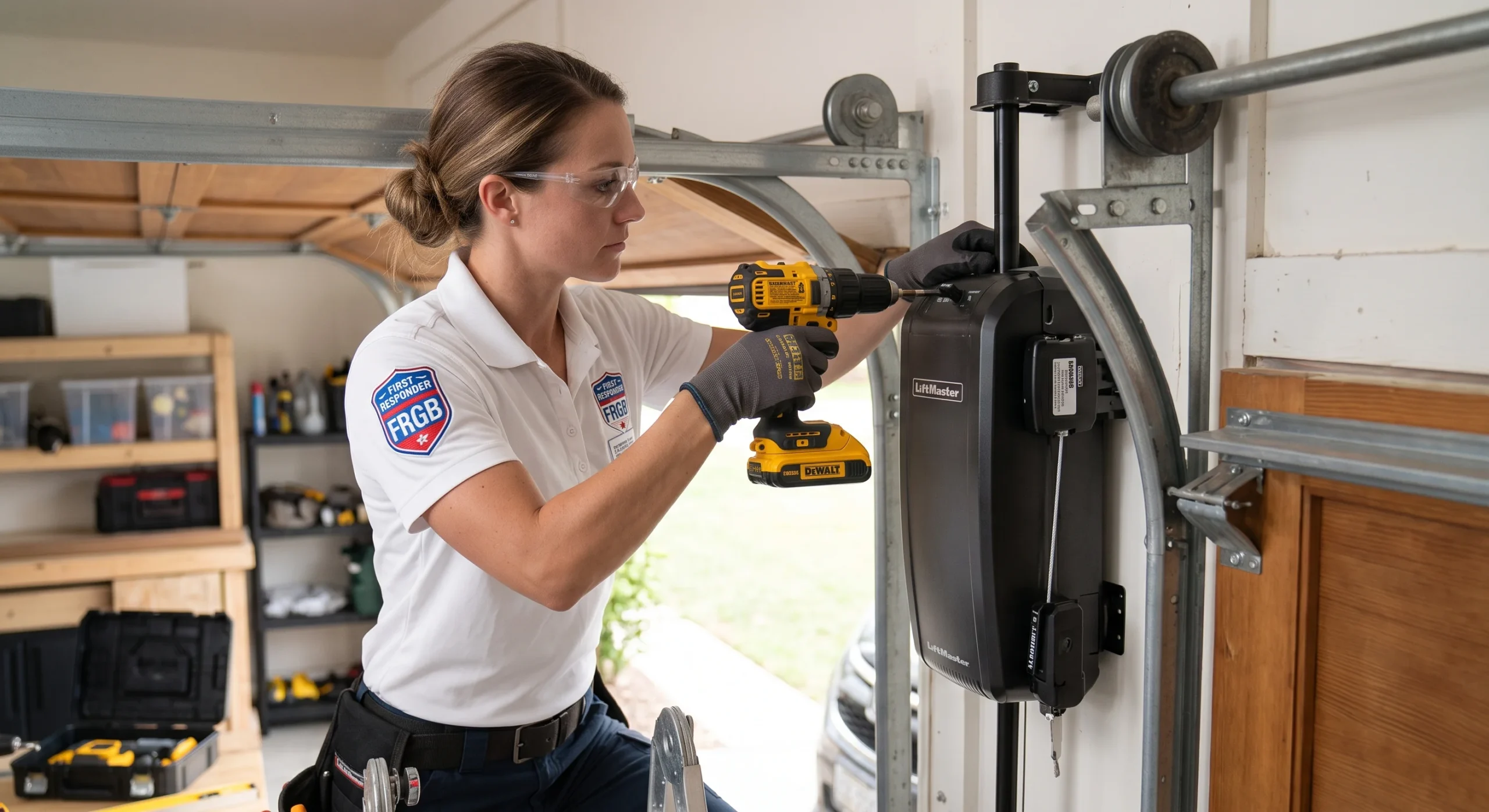
If you have ever looked up at your garage ceiling and thought there has to be a better way, you are not alone. Many homeowners in Southlake, TX, are making the switch to a side mount garage door opener because it offers a cleaner setup, quieter performance, and more usable overhead space. Unlike traditional openers that hang from the ceiling and rely on a rail and trolley system, a side mount opener is installed on the wall beside the garage door. It connects directly to the torsion bar above the door, allowing the system to open and close from the side without a bulky motor suspended overhead.
The result is a more streamlined garage layout, smoother daily operation, and easier access when service or garage door repair is needed. This guide explains how side mount garage door openers work, what makes them different from standard ceiling-mounted systems, and when they may be the right choice for your home.
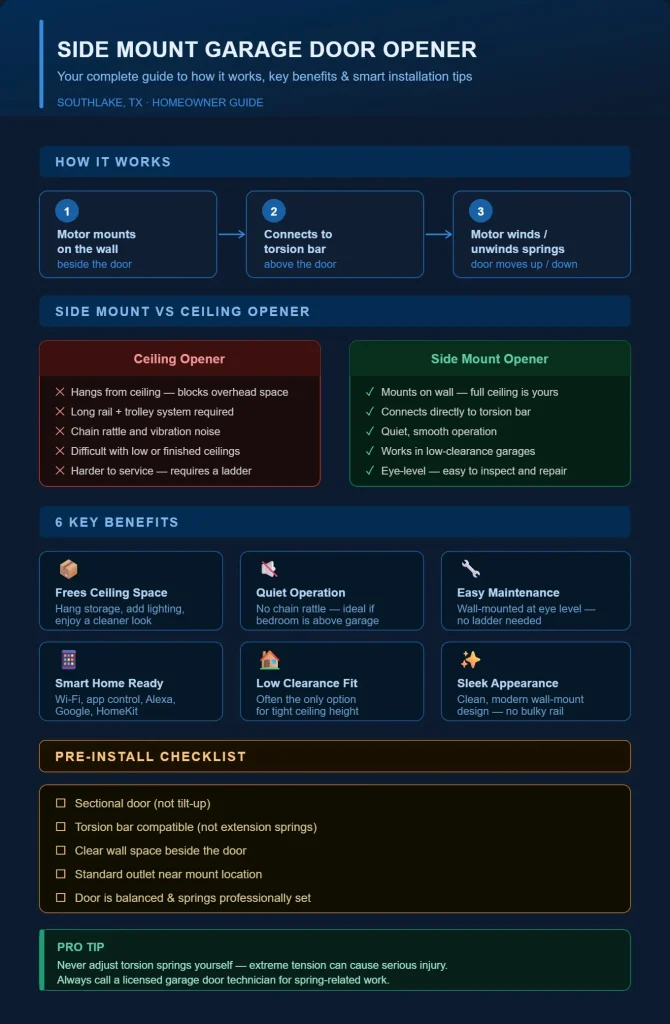
How a Side Mount Garage Door Opener Actually Works
Most homeowners are used to seeing the long rail that stretches from the motor to the front of the garage. A side mount opener skips all of that.
Here is how it works:
- The motor unit mounts directly on the wall, right next to the garage door on either the left or right side.
- It connects to the torsion bar, which is the horizontal bar above your garage door that controls the spring tension.
- When you activate the opener, the motor turns the torsion bar, which winds or unwinds the springs and moves the door up or down.
Because the motor works with the torsion system, the door operates smoothly and with much less noise compared to chain or screw-drive ceiling openers. There are no jerky starts or loud rattling sounds.
Quick tip: Side mount openers only work with sectional garage doors. If your door is a one-piece tilt-up style, this type of opener will not be compatible.
If you are wondering whether the upgrade is really worth the investment, read Why a Side Mount Opener Is Worth Every Penny.
What Makes It Different From a Standard Ceiling Opener
This is where a lot of homeowners get curious. If both open the door, why does the mounting location matter?
Here is a side-by-side breakdown:
- Ceiling opener: Hangs from the garage ceiling, uses a rail system and trolley to push or pull the door, takes up overhead space, and can be noisy depending on the drive type.
- Side mount opener: Mounts on the wall beside the door, uses the torsion bar to operate, frees up ceiling space, and runs much quieter in most cases.
The biggest practical difference is ceiling clearance. If your garage has low ceilings, a finished ceiling, or an attic access panel above the door, a ceiling-mounted opener can be a real problem to install or use. A side mount opener removes that issue entirely.
For homeowners who have converted their garage into a home gym, workshop, or extra living area, the open ceiling space that a side mount opener creates makes a noticeable difference.
The Key Benefits of a Side Mount Garage Door Opener
If you are thinking about why this type of opener gets recommended so often, here is a clear look at what it brings to the table:
- Frees up ceiling space. Whether you want to hang storage, add lighting, or simply enjoy a cleaner look, the ceiling is all yours.
- Runs quietly. Because it connects directly to the torsion bar, there is no chain rattling or vibration traveling across a long rail. This matters a lot if you have a bedroom above the garage.
- Easier to access for repairs. Because the unit is mounted at eye level on the wall, a technician can inspect, adjust, or repair it without climbing a ladder.
- Compatible with smart home systems. Most modern side mount openers, like the LiftMaster 8500W, connect to Wi-Fi and work with apps, voice assistants, and smart home platforms.
- Sleek, modern appearance. The wall-mounted design gives garages a cleaner, less cluttered look overall.
- Works well in low-clearance garages. If your garage door sits close to the ceiling, this opener style is often the only practical solution.
If you are trying to decide whether the upgrade makes sense for your situation, read When Should You Switch to a Side Mount Opener? for a closer look at the right timing and signs that it is time to make the change.
What Types of Homes Benefit Most
Not every home needs a side mount opener, but certain situations make it a particularly smart choice.
Here are the homeowners who benefit most:
- Low-ceiling garages. If your garage ceiling sits lower than the standard height, a ceiling opener may not physically fit. A side mount opener solves this without any structural changes.
- Garages with finished ceilings. Drilling into a finished ceiling to mount a rail system is messy and costly. A wall-mounted unit avoids all of that.
- Homes with living spaces above the garage. The quieter operation makes a real difference when someone is sleeping or working in the room above.
- Homeowners who want storage overhead. Ceiling rail systems take up space that could be used for overhead storage racks.
- Smart home users. If you are already running a connected home setup, a Wi-Fi-enabled side mount opener fits right in.
In Southlake, TX, where newer builds often feature tandem garages, high-design interiors, and smart home integrations, side mount openers have become a popular upgrade among homeowners who want both function and a clean aesthetic.
Things to Check Before You Install One
Before a technician installs a side mount opener, there are a few things that need to be confirmed. Understanding these ahead of time helps the process go smoothly.
Here is what to check:
- Your door must be a sectional door. Side mount openers are not compatible with one-piece or swing-out garage doors.
- Torsion bar compatibility. The opener attaches to the torsion bar. If your garage uses extension springs instead of torsion springs, a conversion may be needed.
- Wall space beside the door. The motor unit needs enough clear wall space on one side of the door for proper mounting.
- Electrical outlet availability. A standard outlet near the mounting location is required. If one is not nearby, an electrician may need to add one.
- Door balance. If your garage door is not properly balanced, the opener will wear out faster. Always have a technician check and adjust spring tension before installation.
Pro tip: Never attempt to adjust torsion springs on your own. They are under extreme tension and can cause serious injury if handled without the right training and tools. Always call a professional for garage door installation or spring-related work.
Common Issues Homeowners Notice and What They Mean
Even the best openers can run into problems. Knowing what to watch for helps you catch small issues before they become costly repairs.
Here are the most common signs that something is off:
- The door moves unevenly or jerks. This often points to a spring tension issue or a door that has gone out of balance. Do not ignore it.
- The opener makes grinding or clicking sounds. This can mean the motor is working harder than it should, often because the door is not properly balanced or something is obstructing the track.
- The door reverses before fully closing. Most modern openers have auto-reverse sensors. If the door keeps reversing, the sensors may need to be realigned or cleaned.
- The remote or wall button stops responding. This could be a simple battery issue, a signal interference problem, or a sign that the logic board needs attention.
- The motor runs, but the door does not move. This usually points to a disconnect between the opener and the torsion bar, or a broken spring.
If you notice any of these signs, it is best to have a technician take a look before the issue gets worse. Continuing to operate a door that is out of balance puts unnecessary strain on the motor and can shorten its lifespan significantly.
According to the International Door Association, regular professional service and routine inspections can help extend the life of your garage door system and reduce the risk of unexpected failures.
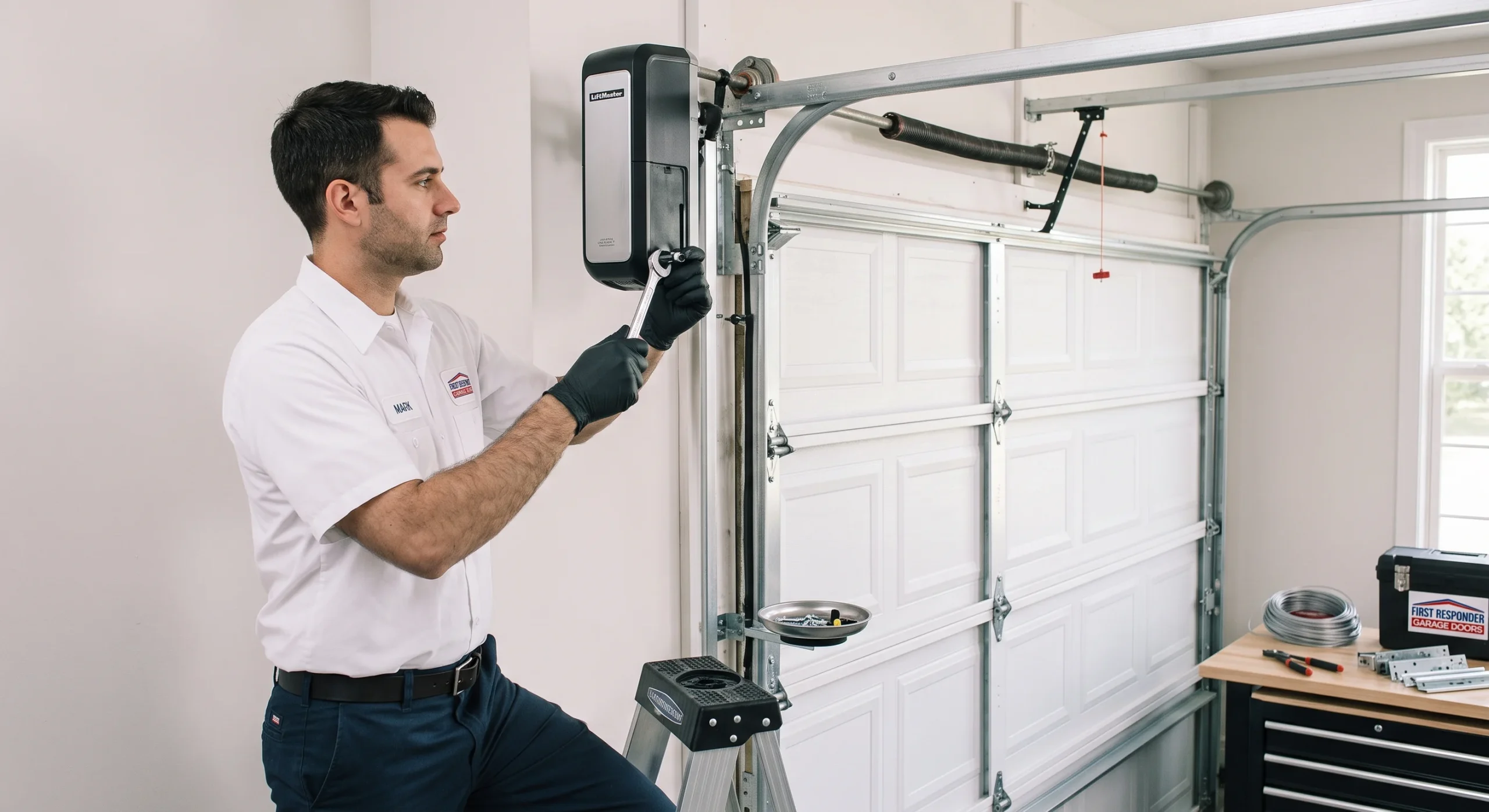
How to Keep Your Side Mount Opener Running Well
Routine care goes a long way. Here are practical steps any homeowner can follow to keep the system in good shape:
- Lubricate moving parts every six months. Use a garage door-specific lubricant on the torsion bar, springs, and hinges. Avoid WD-40, which can actually attract dirt and dry out components over time.
- Test the auto-reverse feature regularly. Place a small object flat on the ground under the door and close it. The door should reverse when it touches the object. If it does not, call a technician right away.
- Keep the sensors clean. Wipe the photo-eye sensors on both sides of the door with a soft cloth. Dust and debris can block the signal and cause the door to behave improperly.
- Inspect the torsion springs visually. Look for gaps, rust, or visible wear. If you spot any of these, schedule a service call. Do not attempt to repair or replace springs on your own.
- Check the wall mounting hardware. Make sure the bolts and brackets holding the unit to the wall are tight and secure. Vibration over time can loosen them.
A little attention a couple of times a year, along with a routine garage door tune-up when needed, can help you avoid unexpected problems and reduce the chance of a costly repair later.
Side Mount Openers and Smart Home Integration
One of the biggest reasons homeowners are drawn to side mount openers today is the smart technology built into modern units.
Here is what most current models offer:
- Wi-Fi connectivity. Control and monitor your garage door from anywhere using a smartphone app.
- Real-time alerts. Get a notification if your garage door is left open or accessed unexpectedly.
- Voice control. Compatible with Amazon Alexa, Google Assistant, and Apple HomeKit, depending on the brand and model.
- Automatic closing. Set a timer so the door closes on its own if you forget.
- Access sharing. Grant temporary or permanent access to family members, house guests, or service providers without giving out a physical remote.
Modern systems are also influenced by evolving automatic garage door safety standards that focus on safer operation and smarter system design.
For homeowners who want to know more about whether this type of opener fits their lifestyle and home setup, Is a Side Mount Garage Door Opener Right for You? covers exactly that with a practical breakdown of who it suits best.
What to Expect During a Professional Installation
A side mount opener installation is not a weekend DIY project for most homeowners. Here is a general idea of what the process involves when a trained technician handles it:
- Assessment of the current door and spring system. The technician will confirm compatibility and check door balance before anything is installed.
- Removal of the old opener if one is present, including disconnecting any wiring and removing ceiling hardware.
- Mounting the new unit to the wall using heavy-duty hardware that can handle the weight and vibration of daily use.
- Connecting the motor to the torsion bar and making sure alignment is correct.
- Testing the door through multiple cycles to confirm smooth, safe operation.
- Programming remotes, keypads, and app connectivity so everything works together before the technician leaves.
The average cost of installation varies depending on the brand, your existing setup, and whether any prep work, like electrical or spring adjustments, is needed. Always get a clear written estimate before work begins.
Ready to Upgrade Your Garage?
A side mount garage door opener is one of the smartest upgrades a homeowner can make, especially if you are working with a low-ceiling garage, want a quieter system, or simply want to reclaim that overhead space for something better. Understanding how it works, what to look for, and how to maintain it puts you in a much better position to make the right call for your home.
If you are in the Southlake, TX area and want a professional opinion on whether a side mount opener is right for your setup, First Responder Garage Doors is ready to help. Contact us or give us a call today to schedule an inspection and get honest, expert guidance from a team that knows garage doors inside and out.