
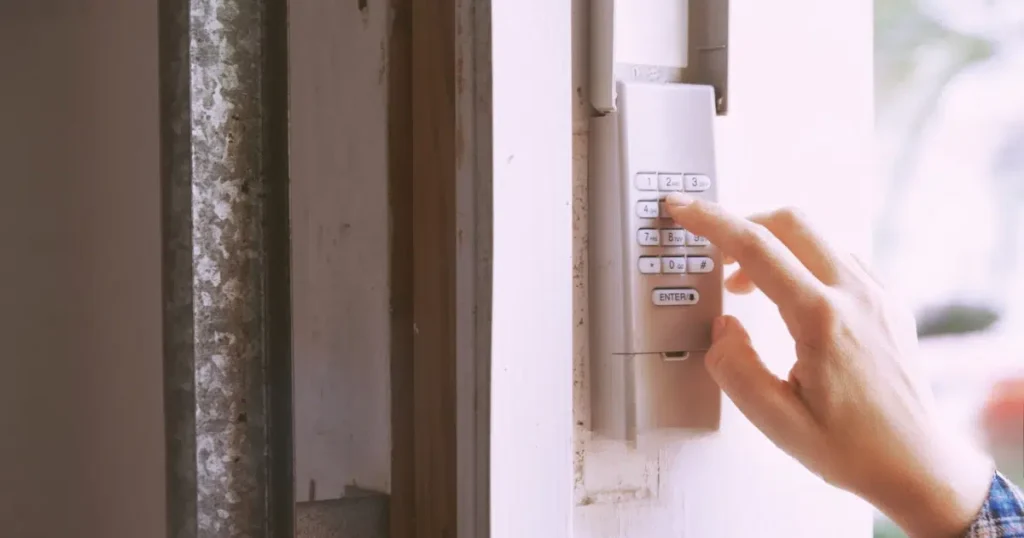
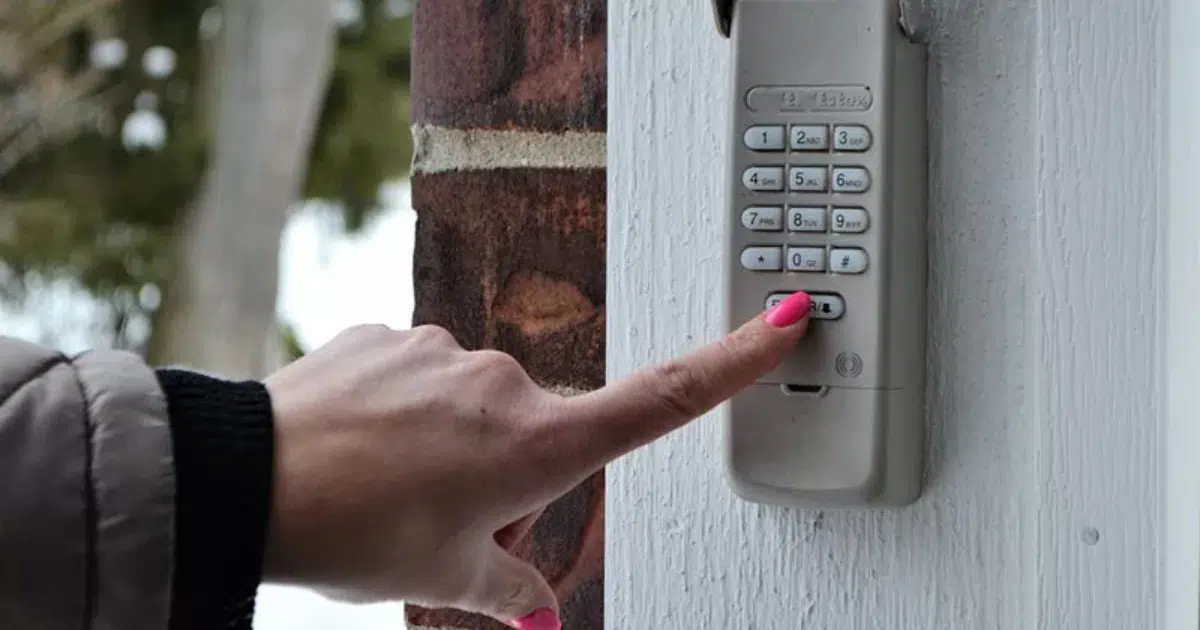
If your garage door keypad is not working, it can feel like a minor problem that quickly becomes a big inconvenience. You walk up, enter your code, and nothing happens. No click. No movement. Maybe a blinking light. Maybe a long beep. Or complete silence.
In Southlake, TX, keypad issues are common because of heat, humidity, sudden storms, and power fluctuations. Outdoor keypads take more abuse than most homeowners realize. Over time, batteries weaken, buttons wear down, wiring connections loosen, and programming can reset after electrical interruptions, often leading homeowners to schedule garage door repair when basic troubleshooting does not restore access.
Most keypad problems follow predictable patterns. The key is knowing what to check first and when to stop troubleshooting and call for professional help.
Start With a Quick Safety and Access Check
Before you focus on the keypad itself, confirm whether you have a wider garage door or opener issue. This keeps you from chasing the wrong cause and helps you avoid a situation where the door moves unexpectedly.
What to check first
- Test the wall control button inside the garage. If it does not operate the door, your problem may be power-related or opener-related, not keypad-related.
- Test a remote if you have one. If the remote works but the keypad does not, the problem is usually isolated to the keypad or its programming.
- Confirm the door is not physically stuck. If the door is jammed, off-track, or binding, the opener may refuse to run for safety, even if the keypad is working.
If the door is behaving strangely, such as reversing or straining, stop testing and schedule a professional inspection. A keypad problem is inconvenient, but a moving door under strain can create a safety concern, and a garage door tune-up can address the underlying friction, alignment, and hardware issues that often cause inconsistent operation.
If you are unsure whether wear or signal issues are causing the problem, read What Your Garage Door Keypad Lights and Beeps Mean.
Check the Batteries First
The most common reason a garage door keypad stops working is low battery power.
What happens when batteries are weak
- Dim or flickering LED lights
- Delayed response after entering the code
- Keypad beeps, but the door does not move
- Random failures during hotter afternoons
Southlake summers can push battery performance lower than expected. Heat speeds up battery drain, especially in direct sunlight.
What to inspect
- Remove the keypad cover
- Check for corrosion around battery contacts
- Make sure batteries are installed correctly
- Use fresh, high-quality alkaline batteries
Avoid mixing old and new batteries. That can create uneven power output and unstable operation.
If the keypad works immediately after replacing batteries, your issue was power-related. If not, move to the next step.
Look for Lockout Mode
Many homeowners accidentally activate keypad lockout mode without realizing it.
Why lockout happens
After multiple incorrect code entries, most openers temporarily disable keypad input as a security measure.
Signs of lockout
- Repeated flashing after entering the code
- Long continuous beep
- Keypad lights up, but opener does nothing
Wait 5 to 15 minutes and try again. If it works afterward, you likely triggered a temporary lockout.
If this happens often, you may want to read Why Garage Door Keypads Fail So Often to understand the underlying causes beyond simple user error.
Check for Programming Loss
Power outages are common during the Texas storm season. When power is interrupted, some openers may lose keypad programming.
What causes programming loss
- Electrical surges
- Lightning activity
- Opener memory reset
- Internal board instability
What to check
- Does the wall button still work?
- Does your remote still operate the door?
- Does the opener light blink when you press the keypad?
If remotes work but the keypad does not, the keypad may need reprogramming.
Reprogramming instructions vary by manufacturer. While it may seem simple, incorrect programming steps can create additional communication issues.
Inspect the Keypad Buttons
Outdoor exposure wears down rubber keypads over time.
Common wear problems
- Faded or cracked buttons
- Buttons that feel soft or sticky
- Numbers that do not register when pressed
Southlake’s heat and UV exposure accelerate rubber deterioration.
What this means
If certain numbers fail more than others, the internal contact pad may be worn. In many cases, replacement is more practical than repair.
Check for Signal Interference
Garage door keypads communicate wirelessly with your opener. That signal can be disrupted.
What causes interference
- New LED lighting inside the garage
- WiFi routers mounted near the opener
- Recently installed security systems
- Nearby radio frequency devices
Southlake neighborhoods with dense housing can sometimes experience overlapping signal noise.
What to inspect
- Has anything new been installed in the garage recently?
- Did the issue begin after a home improvement project?
If interference is suspected, a professional can test signal strength and receiver sensitivity.
Inspect the Opener Receiver
Sometimes the keypad is not the issue at all.
Signs the receiver may be failing
- The remote range has decreased
- The wall button works inconsistently
- Opener light flickers during operation
Receiver boards can weaken over time, especially after repeated surge exposure.
This is not a DIY inspection area. Opening the motor housing exposes electrical parts that require safe handling.
Automatic garage door openers are governed by established safety standards, and UL Standards & Engagement explains how compliance helps maintain safe and reliable operation.
Check for Moisture Intrusion
Outdoor keypads are weather-resistant, not weatherproof.
How moisture causes problems
- Internal corrosion
- Shorted circuit board
- Erratic beeping
- Random activation
Heavy rain followed by heat can trap moisture inside the unit.
What to look for
- Fog inside the display window
- Rust around screws
- Greenish corrosion on battery contacts
If moisture damage is visible, replacement is typically the safest long-term solution.
Examine Wiring for Older Systems
While most modern keypads are wireless, older systems may be hardwired.
Wiring issues include
- Loose terminal screws
- Frayed low-voltage wiring
- Rodent damage in the attic or the wall
If your home is older, especially in established Southlake neighborhoods, wiring degradation is possible.
A technician can test voltage safely and confirm continuity without risking electrical injury.
Check the Garage Door Safety System
Sometimes the keypad works fine, but the door refuses to close.
Why this happens
Modern openers include photo-eye safety sensors. If they are misaligned or blocked, the opener will not operate fully.
Signs of sensor issues
- The door starts to close, then reverses
- Opener light flashes repeatedly
- No movement when the keypad is pressed
Check for debris, spider webs, or misalignment at the bottom track sensors.
If you are seeing flashing light codes,read When To Replace a Garage Door Keypad instead of Resetting It .
Consider the Age of the Keypad
Most exterior garage door keypads last 5 to 10 years. In Southlake’s climate, direct sun exposure can shorten that lifespan.
When age becomes a factor
- Multiple recurring failures
- Plastic housing cracking
- Fading display
- Frequent battery replacement
If your keypad is over 7 years old and experiencing repeated problems, replacement may be more reliable than continued troubleshooting.
The average cost of keypad replacement is moderate compared to full opener replacement, and a technician can confirm compatibility with your opener system.
When to Call a Professional
You should stop troubleshooting and schedule professional service if:
- The keypad fails after battery replacement
- You notice signs of moisture damage
- The opener lights flash in repeating patterns
- The remote range has decreased
- The door behaves unpredictably
Garage door systems are under high tension and contain electrical parts. Safety should always come first.
For a broader maintenance overview that supports long-term reliability, Bob Vila’s garage door maintenance guide is a helpful reference for routine upkeep and early warning signs.
Protect Your Home Access With Expert Help
A malfunctioning garage door keypad may seem minor, but it can affect security, convenience, and daily routine. Identifying the right cause early helps prevent added strain on the opener and reduces the risk of being locked out during extreme Southlake weather.
If your keypad continues to fail after basic checks, the trained technicians at First Responder Garage Doors can inspect the opener, evaluate signal strength, check keypad-to-receiver communication, and recommend the most reliable solution for your home. Contact us or give us a call today to schedule professional garage door service in Southlake, TX, and restore dependable access to your garage.