
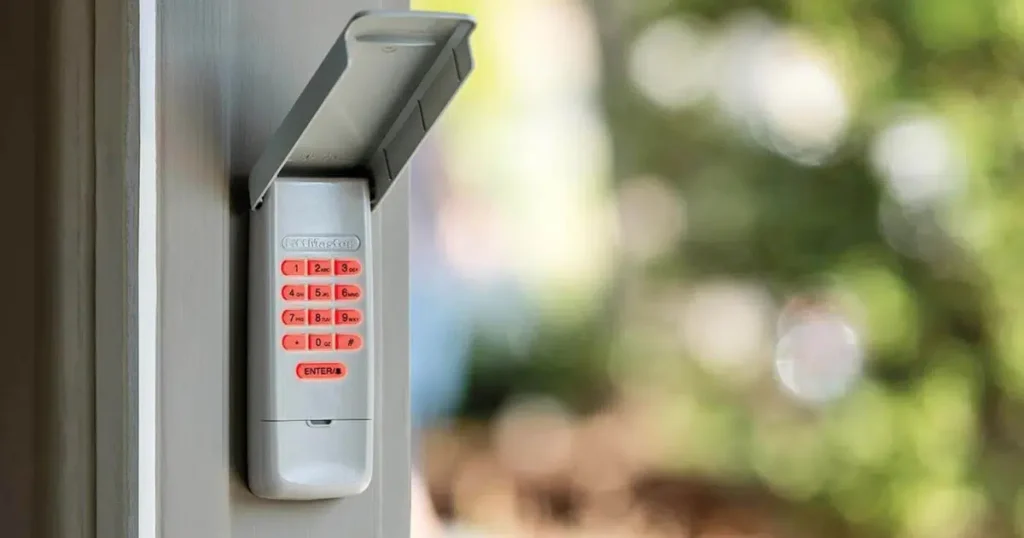
Garage door keypads do not have a display, so they rely on indicator lights and audible beeps to signal status and errors. Once you know what those alerts typically indicate, you can tell the difference between a straightforward power or battery issue and a deeper garage door opener communication or logic-board problem. In Southlake, TX, these warning patterns show up most often after summer heat spikes, heavy rain, and brief power interruptions that can cause exterior electronics to behave inconsistently, situations where a garage door tune-up can also help by identifying moisture intrusion, deteriorated wiring, and loose terminals before they turn into ongoing access issues.
What Keypad Signals Can Tell You
Garage door keypad lights and beeps indicate basic system status, including whether the keypad has power, whether a keypress registered, and whether the code entry was accepted, rejected, or temporarily blocked. These signals can also point to common conditions such as low battery output, button wear, lockout mode after repeated attempts, lost programming, or weak communication between the keypad and the opener receiver. Interpreting the signals alongside opener behavior helps distinguish a keypad issue from an opener safety or system-related restriction and helps you know when it is time to schedule professional garage door repair.
If you want the fastest way to narrow down the cause, read Garage Door Keypad Not Working? Troubleshooting Checklist.
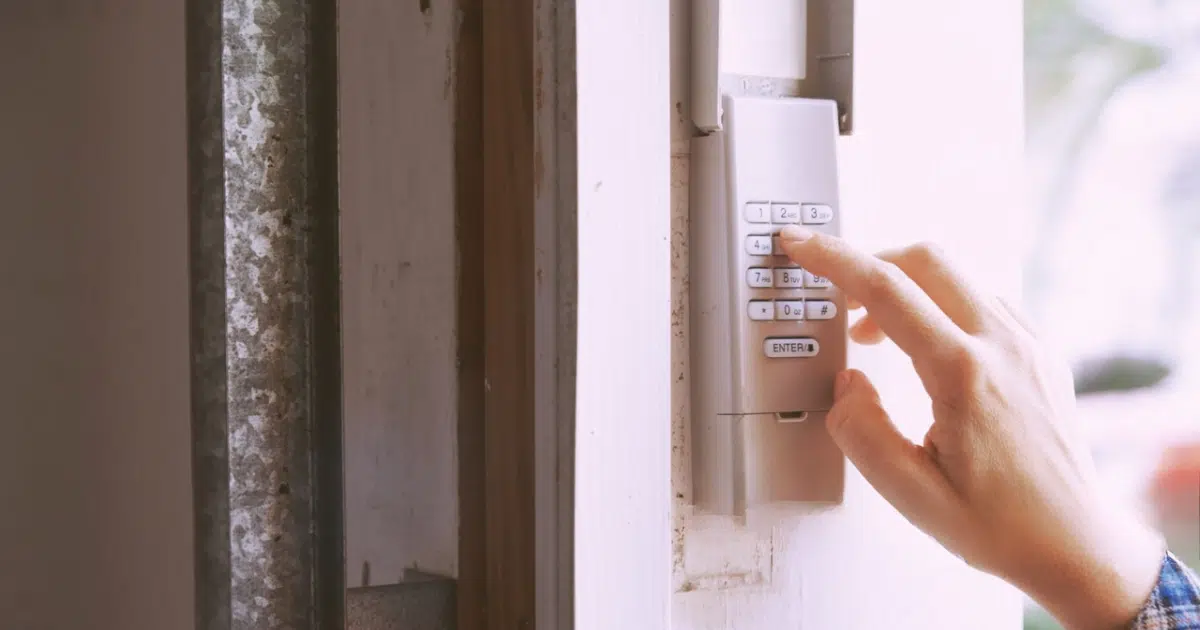
What The Keypad Is Actually Confirming
Most keypads use lights and beeps to confirm four basic moments:
- Power is available
- A button press registered
- The code was accepted or rejected
- The keypad is blocked by a lockout or a communication issue
When homeowners get stuck, it is usually because they focus on the keypad only, but the opener may be refusing the command for safety, or the keypad is not truly sending a clean signal.
Light Signals That Usually Point To Battery Or Power Issues
Battery-related problems are the most common, and they often show up as “weak” signals rather than a complete shutdown.
Dim Light Or Short, Faint Blink
This usually suggests low battery voltage or poor battery contact. In Southlake heat, borderline batteries can act fine early in the day and struggle later in the afternoon.
What to check without turning it into a DIY lesson:
- Confirm the keypad lights are bright and consistent
- Watch for a flicker when you press a button
- If the keypad is older, inspect for corrosion around the battery compartment
No Light At All
No light typically means one of these:
- Dead batteries
- Batteries installed incorrectly
- Corrosion prevents good contact
- Internal board failure (less common, but it happens after moisture exposure)
If there is no light and fresh batteries do nothing, treat it as a sign that the unit may be compromised internally.
If you want a simple battery-first troubleshooting flow that also checks for corrosion and basic keypad power issues before you assume the unit failed, Family Handyman outlines a practical keypad troubleshooting sequence.
Beeps That Usually Confirm A Button Press
A quick beep (or short chirp) when you press a key generally means the keypad “heard” the press. That is helpful because it separates “button wear” from “communication problems.”
No Beep When Pressing Certain Keys
If some digits never beep, those buttons may be worn, or the internal contact pad is failing.
This is a common pattern when only one or two digits are heavily used in the code. If you are seeing this kind of selective failure, read Why Garage Door Keypads Fail So Often.
Beep With Every Press But The Door Does Nothing
This often means the keypad is accepting input, but the opener is not acting on it. The cause can be a lost pairing, interference, or an opener-receiver issue.
Light Patterns That Often Mean The Code Was Accepted Or Rejected
Keypads typically give quick feedback after the full code entry.
Single Blink Or Brief Solid Light After The Code
This commonly indicates the code entry was accepted. If the door still does not move, the problem may be on the opener side, or the opener is refusing to run due to a safety condition.
A good “next clue” is whether the opener light inside the garage flashes, clicks, or tries to start. If the opener reacts but the door does not move, it is less likely that the keypad is the only issue.
Rapid Flashing After The Code
Rapid flashing often indicates the code was rejected or the keypad is not communicating properly with the opener.
Most frequently, this points to:
- Wrong code entry
- Lockout mode after repeated attempts
- Lost programming or pairing
- Severe interference
If you are confident the code is correct and flashing is consistent, lost pairing is a strong possibility.
The Lockout Clue Most Homeowners Miss
Many systems temporarily lock keypad input after repeated incorrect entries. Homeowners often interpret that as a keypad failure because the keypad appears “alive,” but nothing works.
What Lockout Often Sounds Like
- A longer beep than normal
- Multiple beeps after a failed attempt
- A distinct “warning” tone compared to normal input beeps
What Lockout Often Looks Like
- A repeating blink pattern after code entry
- The keypad lights up normally, but will not operate the opener for several minutes
If you suspect a lockout, wait a bit before retrying. If it works again after a pause, the keypad was doing its job as a security feature.
When The Opener’s Lights Matter More Than The Keypad’s
If your keypad lights and beeps normally, but the door will not move, the opener’s light behavior becomes a more important signal.
Here are common real-world patterns I see:
The Opener Light Flashes Repeatedly After You Try The Keypad
That frequently points to a safety sensor condition or an operational fault the opener is protecting against. In other words, the keypad signal reached the opener, but the opener refused to run.
Common causes:
- Photo-eye sensors blocked or misaligned
- Door travel limits out of range
- Door binding or force setting issues
This is the moment to stop guessing. If the door is reversing, straining, or acting unpredictably, schedule a professional inspection.
The Opener Makes A Clicking Sound But Does Not Run
A click can mean the receiver is hearing a command, but the motor will not engage due to an internal safety condition or board issue. It is not something you want to “chase” with repeated attempts.
Beeps And Flashes That Point Toward Moisture Damage
In Southlake, sudden storms followed by heat can trap moisture inside exterior devices. Keypads are weather-resistant, but water still finds a way in over time.
Erratic Beeping
Random beeps without a clear cause, or beeps that change pattern day to day, can be an early sign of internal moisture corrosion.
Unusual Blink Timing
If the keypad blinks slowly one day, rapidly the next, then goes quiet, that inconsistency often points to an unstable internal connection rather than a simple wrong-code issue.
When moisture is involved, replacement is often more reliable than trying to “dry it out,” especially if corrosion is visible.
Communication Problems Between Keypad And Opener
Wireless keypads rely on a clean signal to the opener receiver. If you are getting normal input beeps but inconsistent results, think communication.
Common Communication Interference Sources
- Certain LED bulbs in the garage that create electrical noise
- Wi-Fi equipment mounted near the opener motor unit
- Battery chargers, adapters, or camera power supplies installed near the opener
- Dense neighborhood signal activity in closely spaced homes
The FCC provides a consumer-level explanation of how radio-frequency interference can disrupt wireless signals in a residential environment. If your remote range also got shorter recently, the receiver may be struggling, not just the keypad.
When The Signals Suggest Replacement Is Smarter Than Resetting
Some homeowners get stuck in a loop of resets and reprogramming. Signals that keep returning usually mean the keypad has reached the end of its reliable life.
Sign replacement is trending more practical:
- Certain buttons do not register consistently
- Battery changes help only briefly
- The housing is cracked, warped, or sun-damaged
- Behavior becomes more erratic after rain
If you want a clear “when to stop” decision guide, read When to Replace a Garage Door Keypad Instead of Resetting It.
Quick Symptom-to-Signal Guide
Here is a simple way to interpret what you are seeing, without overcomplicating it:
- No light at all: power issue or internal failure
- Dim or flickering light: weak batteries or poor battery contact
- No beep on certain keys: button wear or contact pad wear
- Normal beeps, code rejected flashes: wrong code, lockout, or lost pairing
- Keypad looks normal, opener flashes repeatedly: safety sensor or door system condition
- Random beeps or inconsistent blinking over days: moisture intrusion or internal corrosion
- Remote range also reduced: interference or weakening receiver sensitivity
When To Stop Testing And Call A Professional
Stop troubleshooting and schedule a service visit if any of these are true:
- The keypad has fresh batteries and still shows unstable behavior
- The opener light flashes repeatedly after a keypad attempt
- The door reverses, strains, or hesitates during movement
- You suspect moisture intrusion or see corrosion
- The remote range has noticeably dropped at the same time
Garage doors are heavy systems under high tension. If the door is acting unsafe, it is better to get a technician involved than to keep cycling the opener.

Keep Keypad Signals From Turning Into a Larger Problem
Keypad lights and beeps are not random. They are basic status indicators that help confirm whether the keypad has power, whether input is being recognized, and whether the opener is accepting the request to operate. When the keypad appears normal, but the opener flashes repeatedly, clicks without running, or refuses to move the door, the issue often extends beyond the keypad and into safety sensors, receiver sensitivity, or door-system resistance.
If the keypad remains unstable after fresh batteries, if signals become erratic after rain, or if the door reverses or strains during movement, First Responder Garage Doors can inspect the keypad, verify opener communication, and identify whether the issue is coming from the receiver, safety system, or the door itself. Contact us or give us a call today to schedule service in Southlake, TX, and restore dependable access without guesswork.