

A stuck manual release on a garage door can prevent you from opening or closing it during a power outage or system failure. When the release mechanism does not disengage properly, it may indicate a tension imbalance, an opener carriage binding, or deeper garage door repair needs.
In Southlake, TX, fluctuating weather, aging hardware, and daily wear can affect the performance of the manual release system. Understanding why a garage door manual release gets stuck and when to seek professional garage door repair helps protect your safety and restore smooth operation quickly.
Why Is My Garage Door Manual Release Stuck?
A stuck garage door manual release usually indicates the system is bound, overloaded, or out of balance, so forcing it can shift weight to parts not meant to carry it and increase the risk of damage or serious injury, especially in Southlake, TX, during a power outage.
Common reasons the manual release stops working normally include:
- Loss of balance due to changes in spring tension makes the door feel locked in place.
- The opener carriage binding on the rail prevents the trolley from shifting to manual mode.
- A twisted or snagged release cord keeps the latch from fully moving.
- Abnormal resistance triggers the opener to stop as a safety feature.
- Track or roller binding increases strain and blocks smooth travel.
To understand what safe manual release use should look like before anything is forced, read our blog on How to Use the Garage Door Manual Release Safely, which explains how the release system works and when professional assistance is the safest next step.

Simple Steps Homeowners Can Do Initially Before Calling a Professional
Confirm Whether the Door Is Fully Closed and Stable
Start by confirming the door is in a safe resting state so the garage door manual release is not fighting door weight or drift.
Confirm the door is in a safe closed position by doing the following:
- Stand inside the garage and check that the bottom seal sits flat on the floor
- Verify that both sides of the door look level at the opening
- Scan the panels to confirm no section is bowed or shifted
- Look at the rollers to confirm each wheel is seated inside the track
- Step back and confirm the door is not creeping upward or downward
Manual release should only be attempted once the door is fully closed, level, and stable to prevent sudden movement or added strain on the garage door system.
Check for Obvious Obstructions Around the Trolley and Rail
A quick visual scan of the rail area helps identify simple interference that can keep the latch from moving, making the garage door manual release feel stuck.
Clear the opener rail path and trolley area with this quick visual scan:
- Look along the opener rail and clear any visible debris you can reach safely
- Check the trolley area for anything touching the carriage or blocking its path
- Inspect the door arm connection to confirm it is not pressed into the rail or bracket
- Confirm mounting brackets appear secure and not visibly shifted out of line
- Stop immediately if bent metal, cracked parts, or heavy rubbing are visible
If friction continues after clearing debris, worn rollers may be increasing resistance along the track, and professional garage door roller replacement can restore smooth travel and reduce strain on the opener carriage.
Inspect the Release Cord and Handle for Twists, Knots, or Fraying
Cord alignment matters because an angled pull can keep the latch from completing its travel even if the handle moves.
Inspect the release cord and handle so the pull stays straight and controlled:
- Follow the release cord from the handle to the attachment point and confirm it hangs straight down
- Untwist the cord gently if it is wrapped around itself or hooked on nearby hardware
- Check the handle connection to confirm it is not loose, stretched, or partially detached
- Inspect for fraying or thinning along the rope and stop if damage is visible
- Ensure nothing is snagging the cord near the trolley before pulling again
According to the Chamberlain Group, manual disconnect should be performed with the door fully closed, and the red emergency release cord pulled straight down to properly disengage the trolley from the carriage.
Verify the Opener Is Not Actively Engaged or Powered Mid-Cycle
Opener load can hold the trolley in place, so release attempts often fail if the system is still energized or paused mid-travel.
Confirm the garage door opener is fully stopped and not holding the trolley under load:
- Make sure the door is not in motion and is fully stopped
- Check the wall control to confirm the opener is not actively running a cycle
- Disconnect power to the opener using the plug if it is safely accessible
- Wait briefly to confirm no automatic re-engagement starts
- Avoid pulling again if the trolley still looks pressed hard against the stop point
Ensuring the garage door opener is completely stopped and free of load reduces resistance inside the release mechanism and lowers the risk of internal damage.
Stop Use If the Door Feels Heavy, Uneven, or Uncontrolled
Heavy or uneven movement can indicate a balance issue, so continuing can raise the risk of damage and injury even during careful manual checks.
Use these safety stop actions to avoid sudden door movement and injury risk:
- Attempt a very light lift only after disengagement, then stop if resistance feels extreme
- Keep your hands clear of hinges, rollers, and the track while assessing movement
- Lower the door gently if it begins to drift, then step back and stop use
- Avoid operating the opener again if the door will not move smoothly by hand
- Plan for professional assistance if the door cannot be controlled safely
Chamberlain explains that a door that binds, sticks, or fails a balance test may indicate a spring imbalance and recommends contacting a trained door system technician to prevent serious injury.
What Causes a Stuck Manual Garage Door Release?
A stuck manual garage door release usually means something is binding or out of balance, which keeps the release mechanism from shifting cleanly into manual mode.
Common causes include:
- Spring tension changes that make the door feel heavy and hard to disengage
- Opener carriage binding on the rail from wear, misalignment, or buildup
- Release cord snagging or fraying that prevents a full, straight pull
- Track or roller drag that transfers resistance to the garage door opener
- Internal opener wear that increases friction during manual operation
If the spring imbalance is confirmed, replacing the broken spring restores proper counterbalance and allows the manual release to disengage correctly.
Stuck Release Scenarios and What They Usually Indicate
Different garage door manual release symptoms often point to problems with the release system, the opener connection, or the door balance.
Scenario You Notice | What It Usually Indicates |
Cord pulls, but nothing changes | The trolley may already be disengaged, or the opener connection is jammed at the rail |
The handle will not pull fully | The release mechanism is under load from door imbalance, rail binding, or a tight opener connection |
The door moves in manual mode, but will not reconnect | Opener carriage is not returning to the engaged position, or alignment is off at the connection point |
Release works once, then sticks again | Recurring rail friction, latch wear, or mounting shift, creating repeat binding |
The door will not lift after release | Counterbalance problem, making the door too heavy for safe manual operation |
Recurring release failures and the most common mechanical causes are explained in our blog on Why Isn’t My Garage Door Manual Release Working?, which explains what typically prevents proper disengagement and reconnection.
When a Garage Door Emergency Release Needs Immediate Service
Immediate service is recommended when a garage door emergency release will not disengage properly, and the door cannot be controlled safely.
Call for help if any of these apply:
- Door stuck in an open position or halfway up, creating a security risk
- The door feels extremely heavy after release, pointing to a spring or balance issue
- Loose cable, bent track, or damaged hardware visible near the door path
- Opener motor strains, hums, or stops repeatedly during an attempted cycle
- The release cord, handle, or connection point appears jammed or damaged
Prompt service helps restore safe manual operation and prevents further strain on the garage door system.
Should You Add a Garage Door Emergency Release Kit?
A garage door emergency release kit adds a keyed way to disengage the opener from outside of the garage when interior access is blocked.
Main reasons homeowners consider adding one include:
- Only the entrance access risk during a power outage or lockout
- Ability to switch to manual operation when the opener will not respond
- Added convenience for emergency garage door access without forcing the door
- Compatibility with certain door setups and opener styles
- Need for secure outside access without weakening the garage door lock
Best timing and proper use cases are covered in When Should You Use the Garage Door Manual Release?, which explains when manual mode is appropriate and when professional assistance is the safer next step.
Preventing Future Release Problems With Professional Service
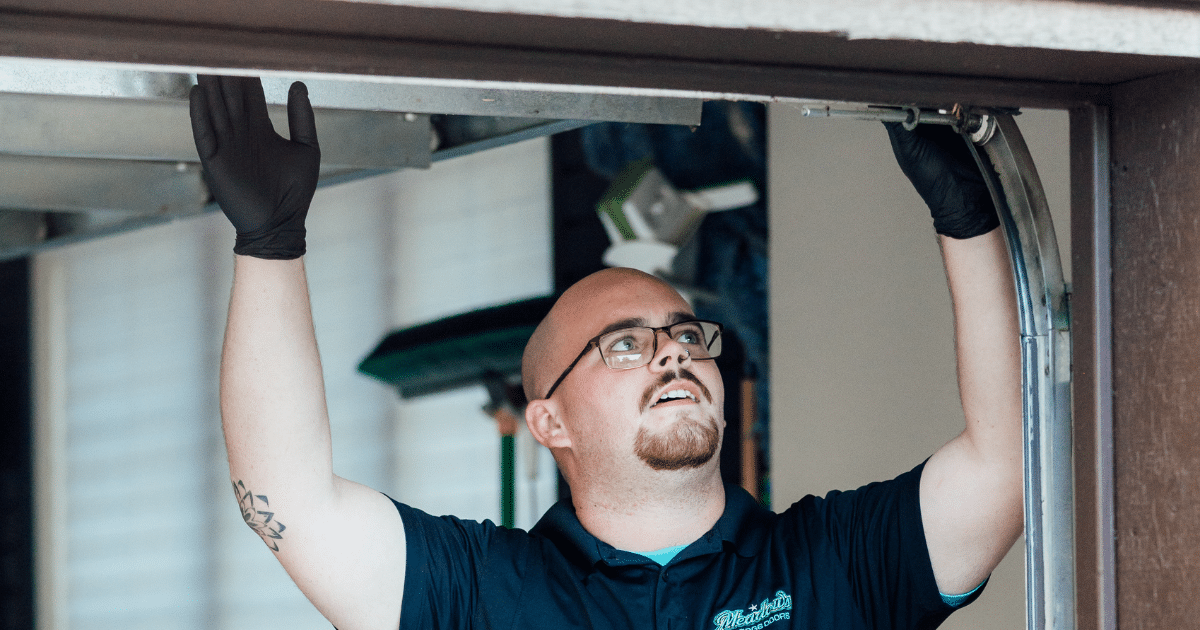
Professional service helps reduce repeat manual-release issues at the garage door by confirming door balance, the health of the opener connection, and the safe-release system’s function.
Key service items typically include:
- Balance testing to confirm spring tension supports smooth manual operation
- Emergency release mechanism inspection to verify clean disengagement and reconnection
- Rail and opener carriage review to reduce binding and uneven travel
- Hardware tightening and alignment checks across the garage door system
- Safety verification for controlled movement and reliable, smooth operation
Regular garage door tune-up service helps catch tension and alignment issues before they interfere with manual release performance.
Fix a Stuck Garage Door Manual Release Before It Becomes a Bigger Problem
A stuck garage door manual release is more than an inconvenience because it often signals binding, imbalance, or a failing connection inside the garage door system. Ignoring this garage door problem can lead to sudden door movement, damaged parts, or serious injury.
First Responder Garage Doors serves Southlake, TX with professional garage door repair and release-system diagnostics that restore smooth operation and reliable reconnection. If your garage door manual release is stuck or the door will not move properly, contact us or give us a call today to schedule service.