
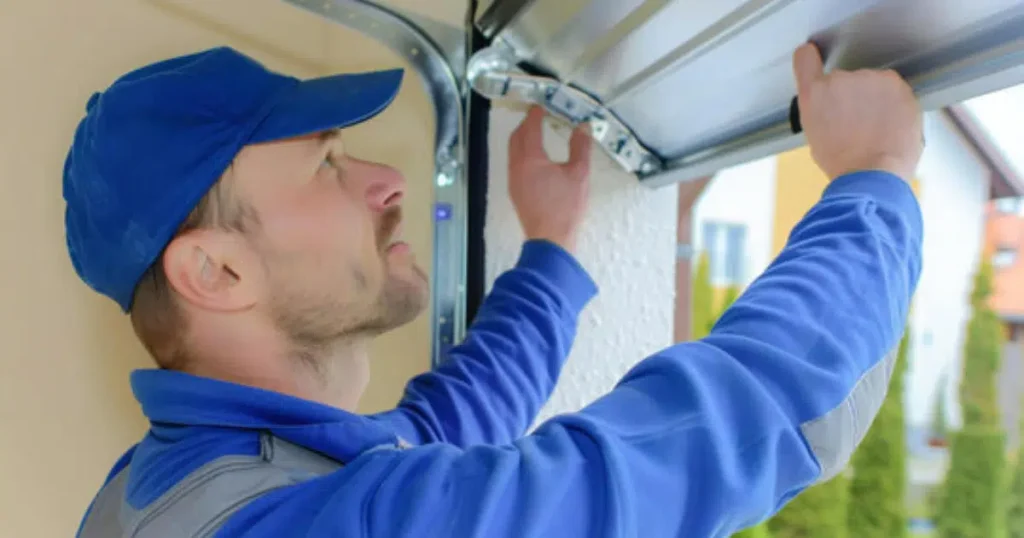
The garage door manual release is a built-in safety feature that disconnects the garage door opener, allowing the door to be operated manually in the event of a power outage or mechanical failure. In Southlake, TX, sudden storms and electrical disruptions make it important for homeowners to understand how this system works.
Using the garage door manual release improperly can strain the garage door system and increase the risk of avoidable garage door repairs. This guide explains when to use the manual release, how the emergency release mechanism works, and how to safely restore automatic operation when power returns.
What Should You Check Before Pulling the Garage Door Manual Release?
Before using the garage door manual release, confirm the door is fully closed, the area is clear, and no spring or cable damage is present, because manual disengagement changes how the load moves through the garage door system during a power outage, opener issue, or travel restriction.
Common pre-checks that help reduce risk include:
- Door sitting level at the floor with no tilt or gaps
- Tracks and rollers showing no binding, bends, or obstructions
- Springs and cables appear intact with no slack
- Opener controls are disabled to prevent accidental activation
- A clear path around the door to avoid pinch or impact hazards
To understand how those pre-checks relate to timing, safety risk, and system strain, read our guide on When Should You Use the Garage Door Manual Release?, which explains the most reliable decision triggers homeowners use before pulling the release cord.
What Is the Garage Door Manual Release and How Does It Work?
The garage door manual release disconnects the garage door opener, allowing the door to operate manually during a power outage or in the event of an opener failure.
How the system disconnect works:
- Release cord pull activates the release mechanism and separates the opener carriage from the rail
- Balanced garage door springs support safe manual operation by offsetting door weight
- Loud click feedback often indicates the spring lever has shifted into the disconnected position
- Reconnection happens after the opener motor runs and re-latches into the connected position
- Battery backup support may keep the garage door opener working without manual release
Understanding the release system supports smooth operation and may signal the need for a professional garage door tune-up to maintain balance and reliability.
Where Is the Garage Door Emergency Release Located?
Garage door emergency release is usually found on the opener rail above the garage door, hanging down as a red cord for quick access.
Where homeowners usually find it:
- Red cord hanging from the opener carriage near the top of the garage door
- Release mechanism mounted on the center rail between the door and the opener motor
- Manual release positioned within arm’s reach from the floor in most garages
- Emergency release lock installed on the outside of the garage for homes with only one entrance access
- Release system routed away from moving parts to keep the emergency cord accessible
Knowing the exact location supports faster manual operation and reduces garage door problems during a power outage.
Step-by-Step Guide to Using the Garage Door Manual Release Safely
Step 1: Ensure the Door Is Fully Closed
Manual disengagement should only happen while the garage door is fully lowered to prevent sudden weight transfer from the spring system into unsupported hardware.
Check for the following before pulling the release cord:
- Door panels resting evenly against the floor
- No visible gaps along the bottom seal
- Tracks aligned without bending or separation
- Balanced tension across garage door springs
- Smooth vertical alignment on both sides
Proper door positioning reduces stress on the release mechanism and protects against unexpected movement that could lead to serious injury.
Step 2: Disconnect Power to the Opener
Cutting power to the garage door opener prevents accidental activation while the release system is disengaged.
Confirm electrical shutdown using these steps:
- Unplug the opener from the ceiling outlet
- Turn off the breaker controlling the garage circuit
- Verify that wall controls no longer respond
- Ensure remotes cannot activate the door opener
- Wait briefly for internal power discharge
The Chamberlain Group explains that checking the outlet and breaker first confirms whether power loss is the real cause before using manual release and stressing the opener carriage.
Step 3: Pull the Emergency Release Cord Straight Down
Firm downward pressure on the emergency release cord activates the internal spring lever that separates the garage door opener carriage from the track.
Observe these indicators during disengagement:
- An audible loud click from the opener carriage
- Red cord moving freely without resistance
- Trolley separating from the drive rail
- Door shifting into manual mode
- The release mechanism is no longer connected to the opener motor
Controlled activation ensures clean separation between the automatic door opener and the garage door system without damaging internal parts.
Step 4: Lift the Door Evenly and Carefully
Manual lifting requires steady control because the full weight of the garage door transfers to your hands once the emergency release mechanism disengages.
Maintain safe handling using these guidelines:
- Grip both sides near the center panels
- Apply slow upward pressure
- Watch for uneven movement between tracks
- Stop immediately if the door feels unusually heavy
- Keep feet clear of the bottom of the door
Uneven resistance can indicate worn hardware that requires garage door roller replacement to prevent added strain.
Step 5: Secure the Door in the Open Position If Needed
Stabilizing the garage door in the open position prevents unintended descent while the system remains in manual operation.
Use the following precautions for stability:
- Raise the door fully to the top of the garage door opening
- Confirm it remains stationary without drifting
- Lock pliers onto the track beneath the rollers if required
- Avoid leaving the emergency garage door unsecured
- Keep children and pets away from moving sections
Clopay notes that proper track support and stable positioning are critical for safe manual operation of residential garage doors, especially during emergency release use.

How to Open a Garage Door Manually From the Outside
Outside the garage, access is possible when an emergency release lock disconnects the opener carriage, allowing the garage door to switch to manual operation.
Where homeowners usually find it:
- Unlock the emergency release lock on the outside of the garage and pull the emergency cord to disengage the release system
- Confirm the garage door opener carriage has shifted out of the connected position before lifting
- Lift from the bottom of the door with steady, even pressure to reduce binding in the tracks
- Move the door fully into the open position, then secure it before walking away
- Reconnect after power returns so the garage door opener can resume smooth operation
Opener carriage jams, release mechanism failures, and emergency release lock issues are covered in our blog on Why Isn’t My Garage Door Manual Release Working?, which breaks down the most common causes and the safest next step.
What to Do If the Garage Door Manual Release Is Stuck
A stuck garage door manual release usually happens when tension, misalignment, or a jammed opener carriage prevents the release mechanism from shifting cleanly into manual mode.
Checks that reduce tension and binding:
- Confirm the garage door is fully closed to reduce load on the release system
- Pull the red cord straight down with steady pressure, then stop if resistance spikes
- Check for track binding or visible garage door problems near the rollers and hinges
- Inspect the emergency release cord and spring lever area for snags or debris
- Avoid forcing manual operation if the door feels heavy or unstable due to the garage door springs
Tension-related jams, red cord pull issues, and safe recovery steps are explained in our blog on What to Do If the Garage Door Manual Release Is Stuck, which outlines the most reliable checks before calling for professional assistance.
Common Safety Risks When Using an Emergency Garage Door Release
Emergency garage door release use can become dangerous fast if the door balance, hardware condition, or the release mechanism is compromised.
Risks that can escalate fast:
- Sudden door drop if the garage door springs or cables have failed
- Serious injury risk from standing near the bottom of the door during manual operation
- Opener carriage damage if the release system is pulled while the opener motor is running
- Track binding that causes the door to twist and jam in manual mode
- Security exposure if an emergency release lock is loose or improperly installed
Frayed or loose cables may require prompt broken garage door cable replacement to prevent sudden failure.
Understanding the Garage Door Emergency Release Kit
A garage door emergency release kit adds outside access by allowing the emergency release mechanism to disconnect the opener carriage when the garage is the only entrance.
Important details homeowners should know:
- Exterior lock cylinder connects to an internal emergency release cord
- Manual override shifts the door into manual operation without using the opener motor
- Keyed access protects the garage door lock from unauthorized entry
- System compatibility depends on the brands of garage door openers and the track layout
- Annual testing ensures dependable performance during emergency services situations
Understanding how an emergency release kit functions improves emergency readiness and protects the garage door system during a power outage.
Professional Inspection vs DIY Manual Operation
Smart use of the garage door manual release starts with knowing what is safe to handle and what should be left to experts.
Situation | DIY Manual Operation | Professional Inspection |
Power outage with no visible damage | Safe if the door is fully closed and balanced | Not typically required |
The door feels unusually heavy | Not recommended due to spring tension risk | Required to inspect garage door springs |
Opener motor failure only | Manual mode is acceptable temporarily | Recommended for garage door opener repair |
Broken cable or snapped spring | Unsafe due to serious injury risk | Immediate garage door service needed |
Repeated garage door problems | Temporary workaround only | Full system evaluation advised |
Use the table to make quick decisions, and choose professional assistance anytime safety or door balance feels uncertain.
Protect Your Home by Using the Garage Door Manual Release Correctly
Proper use of the garage door manual release protects your garage door system and lowers the risk of serious injury during a power outage or opener failure. Understanding when to disengage the release mechanism and when to seek professional assistance helps prevent unnecessary garage door repair and keeps your door operating smoothly year-round.
First Responder Garage Doors provides trusted garage door service, garage door opener repair, and safety inspections for homeowners throughout Southlake, TX. If your garage door manual release is stuck or malfunctioning, or if you need expert guidance, contact us or give us a call today for prompt, dependable local support you can trust.