
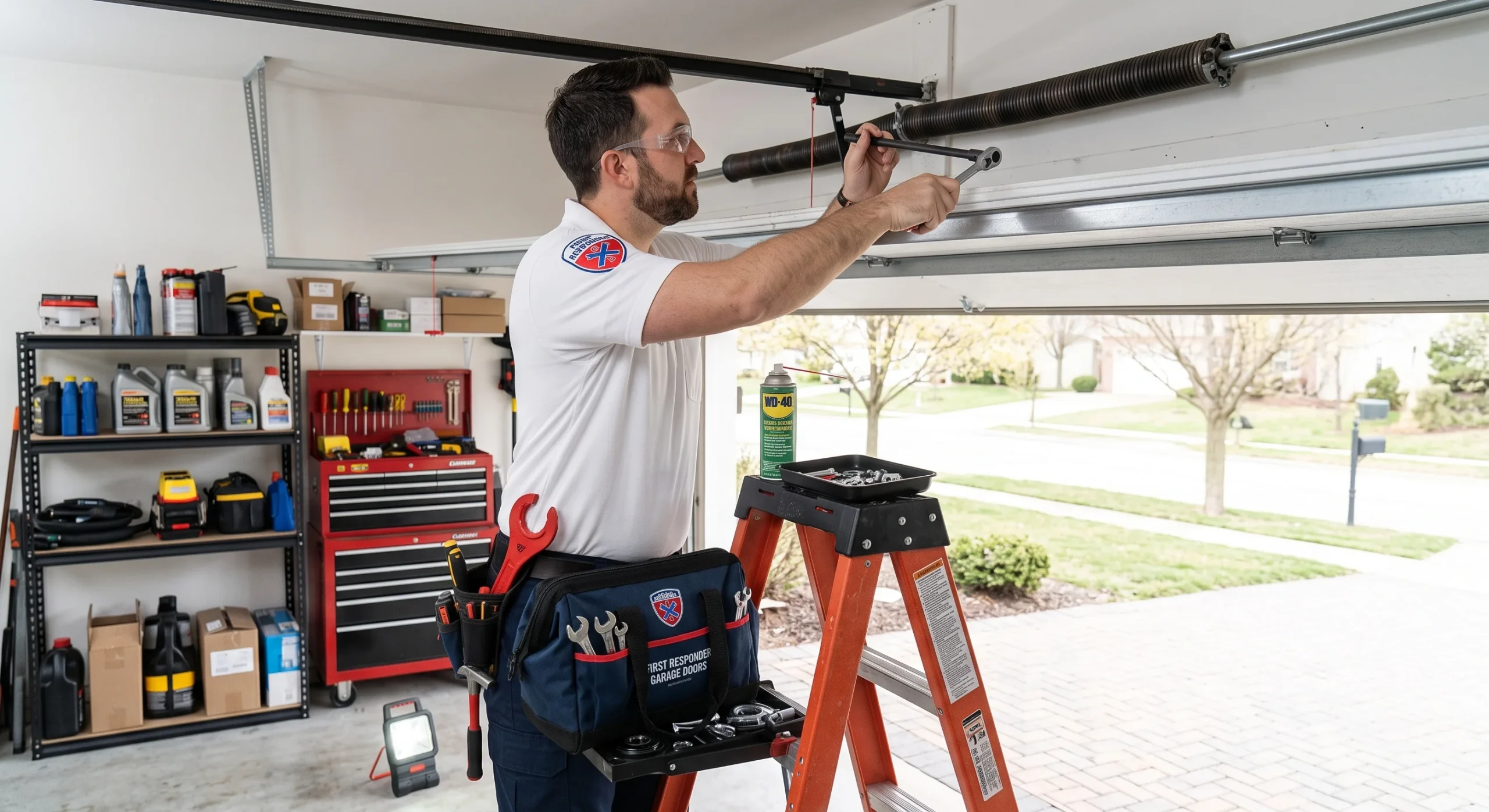
Is your garage door making odd noises or moving in a rough, jerky way? Those issues are rarely minor, because they often show up first when a garage door spring is starting to lose proper tension. Springs carry the load each time the door rises or settles, so the entire system depends on them working in sync.
When spring behavior goes off, strain tends to spread to everything else, especially the opener, which can wear down faster or fail outright if the problem is left unaddressed and garage door repair becomes unavoidable. You protect the door’s performance and safety when you understand what these sounds and movements usually indicate, because early awareness keeps small changes from turning into bigger disruptions over time.
Garage Door Spring Adjustment and Overall Door Balance
A garage door stays stable and easy to control when its spring setup is properly balanced, because the springs are what carry most of the door’s weight through every open and close. Whether the system uses a torsion spring or extension springs, the goal is the same: keeping the door level and supported so it moves without fighting the opener. When that balance is off, stress spreads across the entire assembly, which is how spring wear speeds up and why openers tend to fail sooner than expected when tension isn’t right.
For more clarity on when to bring in expert help, read “What Are the Signs You Need a Professional Garage Door Spring Adjustment?”
Adjusting Garage Door Springs for Smooth, Even Operation
Smooth travel depends on spring tension matching the door’s weight, since even small shifts in tension can change how the door lifts, pauses, or settles. Both garage door torsion springs and garage door extension springs store significant force, which is why uneven motion or sudden strain often traces back to tension that no longer aligns with the load. When spring behavior drifts too far from that balance, the door may start signaling bigger trouble ahead, because unresolved tension problems commonly lead to a broken garage door spring or the need for garage door spring repair or replacement later.
How Spring Tension Affects Balance in a Garage Door Torsion Spring System
In a garage door torsion spring system, the springs sit on a metal shaft above the door and work by twisting rather than stretching, storing energy as they wind and releasing it to lift the door’s weight, which is why correct setup during garage door installation matters from the start. The door feels heavy and resistant when tension drops too low, because the opener has to compensate for the missing support, while tension that runs too high can make the door surge upward or refuse to close cleanly since the springs are pushing harder than the door’s weight requires. A well-balanced door often feels almost weightless in motion, but when that balance is lost, the door may drift, slam, or spring upward unexpectedly, accelerating wear on rollers, tracks, and the opener itself.
Unusual Noises and Jerky Motion That Point to Garage Door Spring Repair
Grinding, popping, or sharp snapping sounds are rarely random when they come from a garage door, as they often indicate a spring system that is no longer evenly distributing the load. The cause may sit in a high-tension torsion setup above the door or in extension springs along the tracks, but either way, the message is similar: the door is working harder than it should because the spring balance is slipping. Jerky movement tends to appear alongside these noises, showing up when the springs stop guiding the door through a smooth, steady travel, and that rough motion can escalate into a broken garage door spring if the imbalance continues.
For a deeper look at early warning signals, check out “Garage Door Spring Adjustment: The First Signs Your Door Is Losing Balance.”
What Grinding, Popping, or Banging Can Mean for Garage Door Spring Repair
When a door begins to grind, pop, or bang during operation, the sound usually points back to spring tension that has drifted out of range, especially in a garage door torsion spring system, where precise load support is essential. These noises can also surface when a spring has started to fracture or has already failed, because the door’s weight shifts suddenly and forces other parts to absorb stress they were never meant to carry. The louder and more frequent the warning sounds become, the more likely it is that the system has moved beyond simple balance issues and into a situation where garage door spring repair is the correct next step.
How a Broken Garage Door Spring Often Shows Up in Movement Changes
A broken garage door spring changes the way the door moves almost immediately, because the weight that was once counterbalanced by spring force is suddenly left unsupported. What used to lift with controlled effort may start feeling unusually heavy or refuse to rise at all, while an opener may strain and stall since it is not designed to carry the full load on its own. If the system uses two springs and only one fails, imbalance often becomes visible through uneven travel, with one side rising faster than the other as the door twists under uneven support.
Movement problems can also show up in the opposite direction, when weakened springs lose their ability to hold the door steady, and it drops faster than usual or lands with a hard thud, which is often caught early during a garage door tune-up. These shifts are easy to mistake for track or sensor issues at first, yet they frequently trace back to spring tension that can no longer regulate the door’s pace and position. When the door hesitates, jolts, or will not stay in place during travel, it is usually the spring system signaling that its load control has broken down.

When Garage Door Spring Replacement Is Needed for Long-Term Function
Knowing when garage door spring replacement is the right move comes down to how consistently the door stays balanced and how reliably it moves through a full cycle. Once a spring breaks, the system loses the support that keeps weight evenly distributed, which can throw extra strain onto tracks and other moving parts as the door shifts under load. Ongoing garage door spring adjustment can restore smooth operation when tension has simply drifted, but when the same issues return after adjusting garage door springs, especially in a garage door torsion spring or garage door extension springs setup, it usually signals deeper wear that calls for garage door spring repair or replacement to protect long-term performance.
For more guidance on spotting the difference, read “Garage Door Spring Adjustment: How to Tell If You’re Facing a Broken Spring or a Bigger Issue.”
Warning Patterns Specific to Garage Door Extension Springs
Garage door extension springs often reveal trouble through changes in sound and motion, because they stretch and recoil along the tracks and react quickly when tension fades, or components wear out. Squeaking, grinding, or sharp metallic noises can appear when an extension spring is no longer gliding evenly, while uneven lifting or a door that rises too quickly on one side may point to tension that has slipped out of balance or a spring that is nearing failure. Visible wear, such as frayed cables or a stretched, tired-looking spring, tends to confirm the pattern, since these parts work as a unit and one weak link can destabilize the whole system. When these warning signs stack up, the safest path is to have the spring system evaluated for garage door spring repair or broken spring replacement so the door can keep operating smoothly without risking sudden breakdown.
How Wear Progresses From Adjustment Issues to Garage Door Spring Replacement
A garage door spring typically wears out in a predictable way, since it loses a bit of tension early on and may start throwing the door slightly off balance before a simple adjustment brings things back into line. Because the spring stores and releases heavy mechanical force with every cycle, the metal gradually fatigues over time, with factors like wire thickness and daily door use shaping how fast that wear builds. As the internal steel weakens, adjustments tend to become more frequent to keep the door steady, which is often the clearest sign that the spring is nearing the end of its life, until repeated stress eventually causes it to snap. When replacement becomes necessary, both springs are usually changed on a two-spring system even if only one has broken, because they share the same age and cycle count, and the second spring is often close behind, so replacing them together keeps the door balanced and prevents another failure soon after.
Noticing when your garage door starts making odd noises or moving in a rough, uneven way matters, because those changes often point to springs that are no longer working properly. When early warning signs are brushed aside, small spring issues can grow into larger mechanical strain across the system, which may eventually require more extensive work to restore safe, reliable operation. Paying attention to how the door sounds and moves helps you understand why garage door spring adjustment is so important, since consistent balance is what keeps the door smooth, stable, and dependable over time. If these problems show up or you want a clear evaluation of what they mean, getting qualified support sooner rather than later is the smart move, because prompt attention prevents minor faults from turning into bigger disruptions.
When you want that support from a team that understands how spring balance affects the entire door system, First Responder Garage Doors is ready to help with thorough inspections and dependable service focused on restoring safe, smooth operation. Contact us today or give us a call to schedule your garage door spring check and get your door back to moving the way it should.
Frequently Asked Questions
Loud grinding or popping usually happens when worn springs lose smooth tension and start forcing the door to move unevenly, which makes parts rub or bind under load. A sharp bang often means a spring has snapped, shifting the door’s full weight onto the opener and nearby hardware, which can trigger additional strain across the system.
Delaying a garage door spring adjustment allows the imbalance to worsen, so the springs carry stress in the wrong direction until failure becomes more likely. As tension drops, the door can slam or drift unexpectedly, and the opener is pushed to operate beyond its intended load, increasing the risk of sudden breakdowns.
Garage door spring adjustment fine-tunes tension in springs that are still intact, restoring balance when the system has simply drifted. Garage door spring repair is needed after a broken garage door spring because the spring can no longer support the door, so the repair involves replacing the failed part rather than resetting the tension.
Signs usually show up as an imbalance; the door feels heavier than normal, closes too fast, hesitates mid-travel, or won’t stay in place when partly open. These issues tend to appear when spring tension drifts away from the door’s actual weight, with jerky motion or fresh strain noises often following in torsion-based systems where stored twisting force controls the lift, as explained by Wikipedia.
Yes, because a garage door torsion spring system balances the door through twisting force on a shaft above the door, while garage door extension springs balance through stretching force along the tracks. Since they work in different ways, the adjustment method and the warning patterns don’t match even when the symptoms look similar.
Garage door spring repair is needed when the spring is physically failing, which is usually obvious through a visible separation in the coil or a door that suddenly becomes too heavy to lift normally. If the spring is intact but the door is uneven or noisy, garage door spring adjustment may address the balance issue, whereas a broken spring cannot.
Most springs wear out over a set number of cycles, so lifespan depends largely on how often the door is used and how heavy it is. As the metal fatigues, tension becomes harder to hold and balance issues return more often, which is when garage door spring replacement typically becomes necessary.
Lighter single doors often use one torsion spring, while wider or heavier doors usually use two to share the load. Two springs improve balance and reduce strain on the opener, because tension is distributed instead of concentrated in one coil.
A garage door torsion spring sits above the door on a metal shaft and looks like a thick coiled tube, while garage door extension springs run along both sides of the tracks and look longer and thinner, which makes the system type easy to distinguish once you know where to look for a clear visual breakdown of how each spring setup is positioned and works, see Hearts at Home.
No, because the door is no longer counterbalanced once a spring breaks, which makes it dangerously heavy and unpredictable. Using the opener in that state can cause further damage and create a real risk of the door dropping or shifting without warning.