

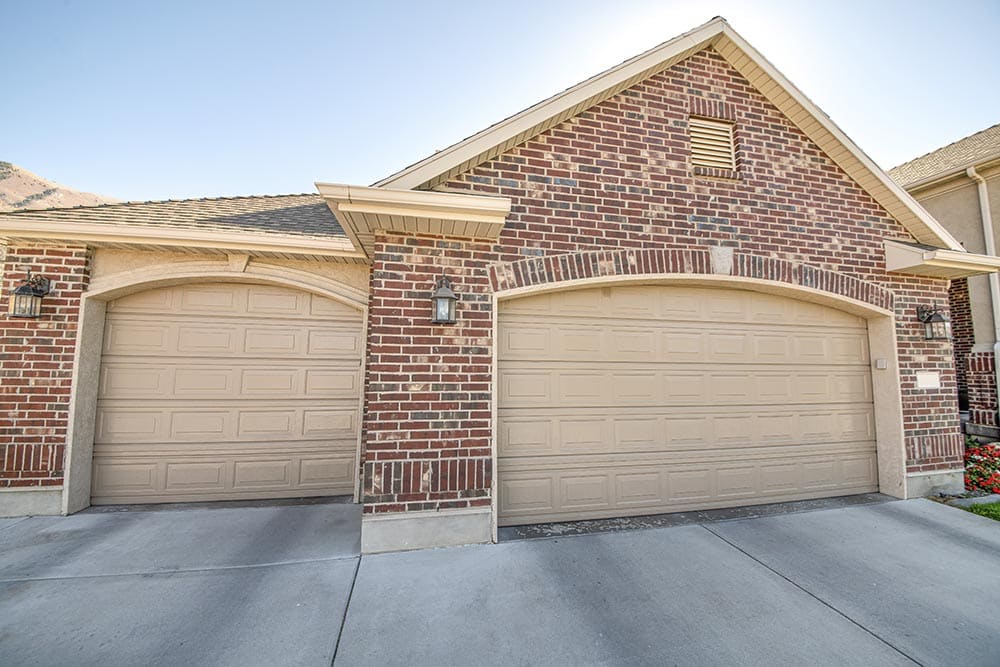
The best way to keep mice out of your garage is to block how they get in and remove what draws them there. Replace a worn garage door bottom seal and weatherstripping, seal gaps and cracks as small as a pencil, store food and clutter in sealed containers, set snap traps and clean up droppings safely, and keep your garage door closing fully and evenly. Most garage mouse problems start at the bottom of the garage door, where a worn seal or uneven door is often a simple garage door repair.
Key Takeaways
- A worn bottom seal is the most common entry point for mice in a garage.
- Mice can squeeze through gaps about the width of a pencil, so small cracks matter.
- Pet food, birdseed, and cardboard boxes give mice food and nesting spots.
- Snap traps work best, and droppings should be disinfected, never swept.
- A door that sits crooked or won’t close fully leaves a gap mice will find.
Where Mice Get Into a Garage
Most mice enter a garage through a handful of predictable spots, and the garage door itself is usually the biggest one. Knowing what to look for makes it easier to find and close every opening.
Most Common Garage Mouse Entry Points
Entry Point | Signs Mice Are Using It | Best Fix |
Worn garage door bottom seal | Daylight under the door, chewed or cracked rubber | Replace the bottom seal |
Gaps at the door corners | Droppings near the corners, uneven concrete | Add a threshold seal |
Worn side and top weatherstripping | Light or drafts around the door frame | Replace the weatherstripping |
Damaged bottom door panel | Cracks, holes, or bent edges | Replace the damaged panel |
Door that sits crooked or won’t close | Uneven gap along the bottom | Repair the spring, cable, or opener |
Pipe, wire, and vent openings | Gnaw marks around the opening | Pack with steel wool and caulk |
Wall and foundation cracks | Droppings along the walls | Seal with caulk, cement, or hardware cloth |
Door between the garage and house | Droppings near the threshold | Install a door sweep |
Why Is Blocking Entry Points the Best Long-Term Fix?
Traps and cleanup handle the mice you already have, but sealing entry points keeps new ones from moving in. Without sealing, a garage that’s cleared of mice can fill back up within weeks.
1. Replace Your Garage Door Bottom Seal and Weatherstripping
The rubber seal along the bottom of your garage door is the most common way mice get into a garage. Once it cracks, flattens, or tears, it leaves a gap mice can squeeze through or chew wider.
How Do Mice Get Under a Garage Door?
Over time, the bottom seal dries out and hardens, especially under North Texas heat. Gaps also form where the concrete floor is uneven, leaving openings at the corners even when the door is fully closed.
How to Check Your Garage Door Bottom Seal
Close the door and look for daylight along the bottom edge from inside the garage. Check for cracks, tears, flattened sections, or rubber that feels stiff instead of flexible.
What Type of Seal Keeps Mice Out Best?
A new rubber or vinyl bottom seal fixes most gaps. For uneven floors, a threshold seal on the concrete closes the space. Rodent-resistant seals with built-in metal mesh add extra protection against chewing. Don’t forget the weatherstripping along the sides and top of the door frame, which wears out the same way.
Can You Replace a Garage Door Bottom Seal Yourself?
Many homeowners can slide a new bottom seal into the retainer track, but the seal has to match your door’s retainer style and length. If the retainer is bent or rusted, or the door doesn’t close evenly, a technician can replace the seal and correct the fit at the same time.
2. Seal Gaps, Cracks, and Other Entry Points
Mice don’t only use the garage door. Any small gap in the walls, foundation, or around pipes can let them in, and they can fit through surprisingly small openings.
How Small of a Hole Can a Mouse Fit Through?
According to the CDC’s guidance on how to seal up to prevent rodents, mice can fit through a hole about 1/4 inch wide, and garages should be sealed along with the rest of the home.
Where Should You Look for Gaps in Your Garage?
Check where pipes, wires, and vents enter the walls, the joint between the wall and the foundation, and any damaged spots in the drywall or siding. Pay close attention to the door between the garage and your house, since a missing door sweep there can let mice move straight into your living space.
What Materials Should You Use to Seal Gaps?
Fill small holes with steel wool and hold it in place with caulk. Use hardware cloth or sheet metal for larger openings. Avoid foam, rubber, or wood alone, since mice can chew through them.
3. Remove Food, Water, and Nesting Spots
Mice move into garages looking for food, water, and a safe place to nest. Taking those away makes your garage far less inviting.
What Attracts Mice to a Garage?
Pet food, birdseed, grass seed, and garbage are the biggest draws. Stacks of cardboard boxes, old rags, and clutter along the walls give mice warm, hidden places to nest.
How to Make Your Garage Less Attractive to Mice
- Store pet food and birdseed in metal or hard plastic bins with tight lids.
- Keep garbage cans closed and move them away from the garage door if possible.
- Swap cardboard boxes for sealed plastic storage bins.
- Keep items off the floor and away from walls so hiding spots are easy to spot.
- Fix leaks and remove standing water.
Does Peppermint Oil Keep Mice Away?
Peppermint oil and other scent repellents may discourage mice for a short time, but they wear off quickly and don’t replace sealing entry points. Use caution around pets, because concentrated essential oils can be harmful to animals, especially cats.
Why Do Mice Move Into Garages in Fall and Winter?
As temperatures drop, mice look for warm shelter close to food. Attached garages are an easy first stop, and from there mice often find their way into walls, attics, and the rest of the home.
4. Set Snap Traps and Clean Up Safely
If you already see signs of mice, trapping removes the ones inside while you seal up the entry points. Cleanup matters just as much, because rodent droppings can carry disease.
Where Should You Place Mouse Traps in a Garage?
Place snap traps along walls, behind storage, and near spots where you see droppings, since mice tend to travel along edges. Keep traps out of reach of children and pets, and check them daily. Keep trapping until you go a full week with no new catches or droppings.
How to Clean Up Mouse Droppings Safely
Never sweep or vacuum droppings, because that can stir particles into the air. The CDC explains how to clean up after rodents: wear gloves, spray the area with a disinfectant or bleach solution, let it soak, and wipe it up with paper towels.
When Should You Call Pest Control?
Call a pest control professional if you keep catching mice after a week or two, find nests in walls or ceilings, or see signs of mice inside your home.
5. Keep Your Garage Door Closing Fully and Evenly
Even a new seal can’t stop mice if the door doesn’t close all the way. Mechanical problems that leave gaps at the bottom or sides give mice an easy way in.
Why Won’t My Garage Door Close All the Way?
A door that stops short or reverses may have sensor, opener, or track issues. Watch for the signs your garage door needs maintenance, like new noises or jerky movement, before small problems leave the door partly open. A trained technician can fix these during a garage door repair visit.
Can an Uneven Garage Door Let Mice In?
Yes. A door that sits crooked leaves a gap on one side, often because of a broken spring or frayed cable. This calls for broken garage door cable replacement or spring work by a professional, not a DIY fix.
Do Damaged Garage Door Panels Let Mice In?
Cracked or bent sections, especially along the bottom of the door, can leave openings. A damaged section can often be fixed with garage door panel replacement instead of replacing the whole door.
Should You Replace an Old Garage Door?
If your door is worn out, a new insulated door with fresh seals closes much tighter. The tips for choosing a long-lasting garage door cover materials and features that seal well, and professional garage door installation makes sure every edge closes properly.
Keep Your Garage Sealed and Mouse-Free
Mice are easiest to stop before they settle in, and most garage infestations start with a worn seal or a door that doesn’t close tightly. A yearly garage door tune-up is a simple way to catch worn seals and gaps early, along with a few habits for year-round garage door maintenance.
First Responder Garage Doors replaces garage door seals, repairs doors that won’t close properly, and installs new doors across Southlake, Coppell, Flower Mound, Colleyville, Grapevine, Keller, North Richland Hills, Roanoke, and Trophy Club. Contact us to schedule an inspection, or give us a call.
Frequently Asked Questions
How do mice get into a garage?
Most mice get in under a worn garage door bottom seal. Others use gaps around pipes, vents, the foundation, or a door that doesn’t close fully.
Can mice get under a closed garage door?
Yes, if the bottom seal is cracked, flattened, or doesn’t meet an uneven floor. In our experience, this is the most common entry point we find in garages with mice.
How often should I replace my garage door bottom seal?
Check it at least once a year and replace it when it’s cracked, stiff, or leaves visible gaps.
What attracts mice to my garage?
Food sources like pet food, birdseed, and garbage, plus clutter and cardboard boxes that make good nesting spots.
Does peppermint oil really keep mice away?
It may help for a short time, but the scent fades quickly. Sealing entry points works far better, and essential oils should be used carefully around pets.
Are mice in the garage dangerous?
They can be. Mice chew wiring and insulation, and their droppings and urine can spread diseases like hantavirus.
How do I know if I have mice in my garage?
Look for small dark droppings, gnaw marks, shredded nesting material, and chewed boxes or bags. Scratching sounds at night are another sign.
Can mice damage my garage door opener?
Yes. Mice can chew through opener wiring and safety sensor wires, which can cause the door to stop working or reverse unexpectedly.
How much does it cost to replace a garage door bottom seal?
Replacing a bottom seal is one of the more affordable garage door repairs.
Should I call pest control or a garage door company?
Often both. Pest control removes mice already inside, while a garage door company replaces worn seals and fixes gaps so new mice can’t get in.